
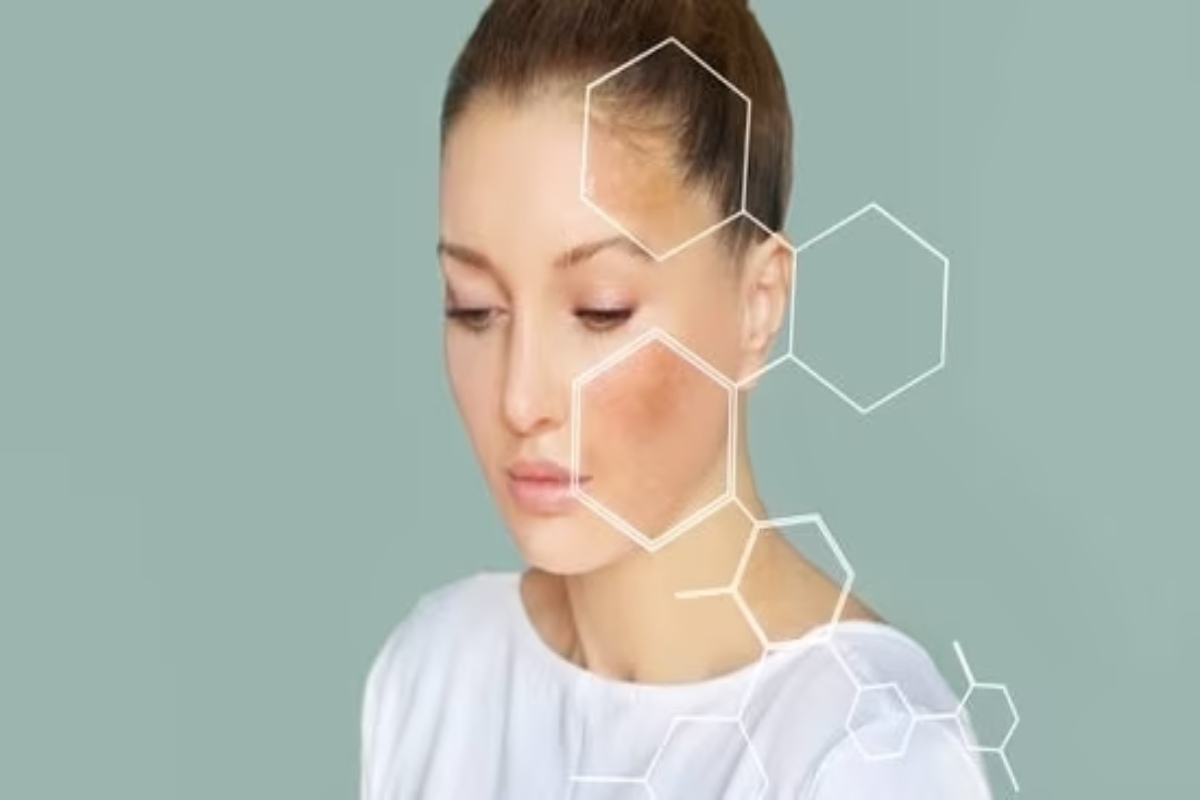
Melasma is a common form of hyperpigmentation affecting millions worldwide. It appears as brown, gray, or bluish patches—usually on the cheeks, forehead, or upper lip. While hormonal changes, pregnancy, and sun exposure are leading causes, genetics and skin type also play roles.
Understanding melasma treatment options, prevention strategies, and global costs can help you make informed decisions.
Table of Contents
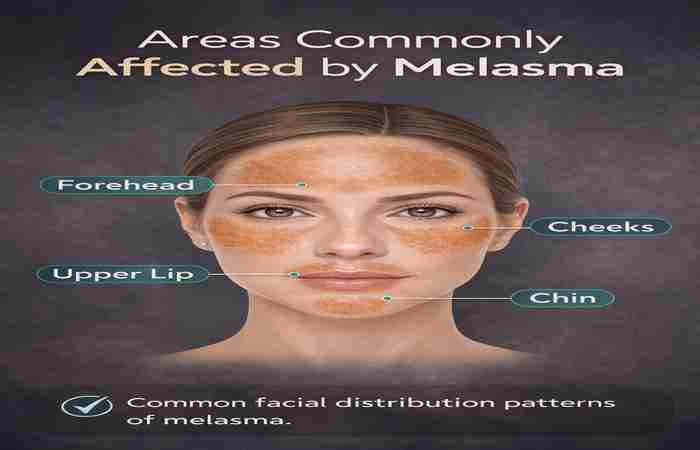
Areas Commonly Affected by Melasma
Understanding Melasma Causes and Risk Factors
Melasma is strongly linked to:
- Hormonal changes (pregnancy, birth control)
- Sun exposure (UV & visible light)
- Genetic predisposition
- Skin types III–V (more common in darker tones)
- Heat exposure
According to the American Academy of Dermatology:
https://www.aad.org/public/diseases/a-z/melasma-overview
Global Prevalence of Melasma
Estimated Melasma Prevalence by Region
| Region | Estimated Prevalence |
| South Asia | 20–30% (women) |
| Latin America | 15–25% |
| Middle East | 10–20% |
| USA | 8–10% |
| Europe | 5–10% |
Melasma is more common in regions with intense sunlight exposure.
Types of Melasma, Why It Occurs, and At What Age
| Melasma Type | Pattern / Skin Depth | Where It Appears | Why It Occurs | Common Age Group |
| Centrofacial Melasma | Facial Pattern | Forehead, cheeks, nose, upper lip, chin | Hormonal changes, pregnancy, sun exposure | 20–45 years |
| Malar Melasma | Facial Pattern | Cheeks and nose | UV radiation, genetics | 25–50 years |
| Mandibular Melasma | Facial Pattern | Jawline and lower cheeks | Hormonal imbalance, thyroid-related issues | 30–55 years |
| Epidermal Melasma | Skin Depth (Upper Layer) | Surface-level facial patches | Excess melanin in the epidermis triggered by sun and hormones | 20–40 years |
| Dermal Melasma | Skin Depth (Middle Layer) | Deeper bluish-gray patches | Pigment deposited deeper in the dermis | 30–50 years |
| Mixed Melasma | Both Skin Layers | Combination of brown and gray patches on face | Combination of epidermal and dermal pigmentation | 25–50 years |
What Can You Do to Treat Melasma?
So you’ve already noticed the signs of melasma. No need to worry! There are many options for treatment out there, from topical creams to laser therapy. Finding what works best for you might take some time, but you’re sure to come across an option that you like. Here are a few:
Topical Creams
One of the most common melasma treatment options are topical creams. The most popularly prescribed include tretinoin, hydroquinone, and azelaic acid.
So how do these topicals work? Tretinoin is a retinoid, which can increase the speed of skin renewal and cell growth. This is necessary for evening out skin tone and reducing the look of hyperpigmentation. Hydroquinone is a lightening cream that can reduce the darkness of hyperpigmentation spots in as little as four weeks. And, last but not least, azelaic acid comes in a gel that can also speed up the cell turnover rate. But unlike tretinoin and hydroquinone, this acid also causes exfoliation.
All three of these topicals will, over time, reduce the appearance of hyperpigmentation. This will happen either through lightening dark tones or bringing about new, correctly-pigmented skin cells, depending on which medication you use.
These medications are usually prescribed in three-month intervals because of their potency. Keep in mind that you might experience increased sun sensitivity while using these medicines, so wear sunscreen.
Comparison of Topical Treatments for Melasma
Most Prescribed Melasma Creams
| Treatment | How It Works | Results Timeline | Prescription Needed |
| Tretinoin | Boosts cell turnover | 8–12 weeks | Yes |
| Hydroquinone | Lightens pigmentation | 4–8 weeks | Yes (in many countries) |
| Azelaic Acid | Reduces pigment & exfoliates | 6–12 weeks | Sometimes |
| Tranexamic Acid | Reduces pigment formation | 8–12 weeks | Yes |
Chemical Peels
Chemical peels involve a similar process as the active ingredients in the skin renewal process, as they allow skin to renew itself after a chemical peel. Allowing skin to renew itself and shed old and darkened skin. Multiple chemical peels will allow for the skin to prevent hyperpigmentation.
An example of a peel that can be effectively used at home is a chemical peeling agent, which can be a form of acids such as Glycolic and/or Salicylic acids. It is also safe to repeat this process about every three weeks. Although this formula is used in many chemical peels at home, the formula is used in low strength, as it will not effectively allow for the skin to shed many layers as needed. For those peels that tend to be used by those that do not wish to have a deeper chemical peel, they will have to visit a dermatologist.
Home chemical peels will not penetrate the true skin layers, which is the dermis. If someone is seeking a deeper peel, then they will be seeking a chemical dermal peel that will penetrate the lower layers of the skin where the dermis is located.
Chemical peels will also not remove the root problems of hyperpigmentation. Chemical peels also will not remove the problems of darkened spots, which will return over time. More permanent solution chemical peels also do not remove the problems resolve on their own. For the process to not repeat over and over, then the process needs to be done to remove the layers of skin on the ovary, which is the solution that needs to be done. The process needs to be done to remove the layers of skin on the ovary.
Melasma Treatment Cost Comparison in 5 Countries
Average Treatment Costs (USD Equivalent)
| Country | Creams (3 Months) | Chemical Peel (Per Session) | Laser Therapy (Per Session) | Available Online Consultation Apps |
| USA | $80–$200 | $150–$400 | $500–$1,200 | Teladerm, MDLive |
| UK | $70–$180 | $120–$350 | $450–$1,000 | NHS App (consult), Livi |
| India | $20–$60 | $40–$150 | $150–$400 | Practo |
| Australia | $60–$180 | $150–$350 | $400–$900 | HealthEngine |
| Canada | $70–$190 | $140–$380 | $450–$1,000 | Maple |
Costs vary depending on clinic, city, and severity.
Laser Therapy
Laser treatments have become a proven way to treat and manage skin conditions. There are different types of laser therapy options to treat melasma including PicoSure, Q-Switch, and fractional treatments. Each treatment has a different approach to treating the underlying issue of hyperpigmentation. PicoSure utilizes a technique called photomechanical light to break down dark areas of the skin. This process enhances the bodies natural mechanisms to remove these hyperpigmented areas.
The Q-Switch laser has a similar process to PicoSure, but it is also a heat laser. In contrast, fractional lasers create micro-ablation zones (tiny holes) in the skin to stimulate the skins natural healing response and remove the hyperpigmented areas.
Typically, laser treatments are done in a series and the results can become fully visible within three or more months. Each treatment is individualized based on skin type and the severity of the condition.
Laser Therapy Types for Melasma
Laser Options for Melasma Treatment
| Laser Type | Mechanism | Best For | Downtime |
| PicoSure | Breaks pigment via energy | Stubborn melasma | Low |
| Q-Switch | Targets pigment via heat | Deep patches | Moderate |
| Fractional Laser | Skin resurfacing | Mixed pigmentation | Moderate |
Most patients require 3–6 sessions.
What Can You Do to Prevent Melasma?
To be quite honest, melasma isn’t a fully preventable condition. This is especially true if you’re pregnant and experiencing considerable hormonal changes. However, there are a couple of actions you can take to lessen your likelihood of melasma occurring.
Take Precaution in the Sun
Melasma may also develop as a result of sun exposure, which is why every time you go out, you must be careful to reduce your chances of getting skin hyperpigmentation. Prevention of skin damage from the sun includes the application of sunblock to the skin. In addition to a breach of the thirty-minutes sunscreen application rule, to decrease the risk of blocked skin pores, the sunscreen should be lightweight.
Furthermore, rope swimsuits can also wash off sunblock, which means it should be applied more often. You can also reduce your chances of getting skin damage from the sun by remaining in shaded areas or by putting on sunblock clothes. The older you are, the more important it is to be cautious.’
Be Careful With Hormonal Birth Control
Hormonal birth control, including the pill or the patch, may cause melasma. If this changed after you started or changed your birth control, you may want to stop taking it. Changes in hormones can trigger melasma, and birth control can cause those changes. If you have to use birth control, you can use non hormonal methods, such as a copper IUD. It is wise to consult your doctor to discuss your symptoms and possible treatments.
Treatment Takes Time
If you have melasma, remember that any treatments will take a long time to show any improvement. Your skin is a fragile organ that can become permanently damaged from treatments that are too aggressive too soon, like from too many chemical peels. Be patient and trust the process. Most treatments take a long time to see lasting improvements, and this will take a lot of time.
Sunscreen Effectiveness in Preventing Melasma
Sunscreen Protection Comparison
| SPF Level | UVB Protection | Recommended for Melasma? |
| SPF 15 | 93% | No |
| SPF 30 | 97% | Yes |
| SPF 50 | 98% | Highly Recommended |
| Tinted Broad-Spectrum | UV + Visible Light | Best Option |
Key Prevention Points:
- Reapply every 2 hours
- Wear wide-brim hats
- Avoid peak sun (10am–4pm)
- Use tinted mineral sunscreen
What Dermatologists Recommend
Dermatologist Insight on Melasma
- Combine sunscreen + topical treatment
- Avoid aggressive over-treatment
- Space chemical peels 3–4 weeks apart
- Consider hormonal evaluation if persistent
- Patience is essential (results take months)
Conclusion
Melasma is a chronic but manageable skin condition. With the right combination of sun protection, medical treatments, and professional guidance, pigmentation can significantly improve over time. Treatment costs and accessibility vary globally, but early prevention remains the most effective strategy.
Understanding available therapies—from topical creams to laser procedures—allows individuals worldwide to make informed decisions tailored to their skin type and budget.
