
Facial Hair While Pregnant: Because of hormonal changes in the body, most women have extra facial hair during pregnancy. There are a diversity of options for dealing with facial hair when pregnant.
Waxing is still the most common method for removing facial hair. However, if you desire to get rid of hair in the safest way possible, you can use Revitol hair removal lotion. Read on to learn about six fantastic techniques to deal with facial hair when pregnant.
Table of Contents
Facial Hair Removal In The Spring
The Spring facial hair removal tool is the most acceptable option for eliminating facial hair. It’s not just a budget-friendly option, but it’s also soft on the skin. Spring facial hair removal is painless and safe to use, and you may use this instrument t. It’s similar to a bit of epilator for eliminating facial hair.
A Pair Of Tweezers
Tweezing is safe and may even be used to remove facial hair when pregnant. Can use tweezers to remove brow hairs and upper lip hair. After a hot shower or washing your face with hot water, always tweeze, and Tweezers will be less painful as a result of this.
Kit For Electrolysis At Home
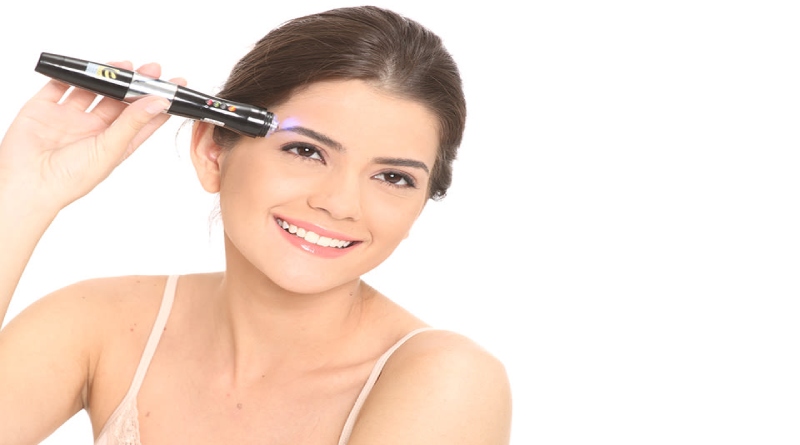
During pregnancy, you may use a home electrolysis kit since it is safe and affordable, and ideal for minor regions like the chin and top lips. This procedure can use to remove dark upper lip and chin hair.
However, it’s critical that you feel at ease when applying the technique. In pregnancy, the most crucial factor is your comfort.
Threading
Threading is still the most popular and safe method for eliminating facial hair during pregnancy. Threading generates minimal discomfort and has no negative consequences on the skin. A thread may remove tiny facial hair from the upper lip area and the sides of your face. Organic lines that are safe to use during pregnancy are available.
Waxing Is The Fifth Step.
The safest method for removing facial hair during pregnancy is waxing or sugaring. Waxing may cause some discomfort, but it has no adverse effects on your skin. If you contain sensitive skin, you may experience irritation or minor burns.
Before and after waxing your facial hair, you should use a soothing lotion. However, most women are uncomfortable with waxing and sugaring, so this is a personal preference
Shaving
During pregnancy, you can use safe shavers to eliminate facial hair, and shaving eliminates tiny hairs from your chin and face as well. It’s not as disagreeable as it sounds, and it’s perfectly safe to apply on your skin.
Because shaving does not entail any chemicals, it is the procedure of choice for most pregnant women. Depending on your hair growth, you may also choose to shave.
Though there are a variety of lotions and gels available to face hairs, they are not entirely safe to use while pregnant. Revitol hair removal lotion is both safe and effective.
Additional Tips for Managing Facial Hair During Pregnancy
Dealing with facial hair while pregnant can feel uncomfortable, but it’s important to remember that these changes are temporary. Once your hormones stabilize after delivery, most women notice their facial hair naturally decreases or disappears. Until then, you can focus on gentle, safe techniques that protect your skin and keep you comfortable.
Understanding Why Facial Hair Increases During Pregnancy
Pregnancy triggers a dramatic rise in estrogen, progesterone, and androgens. These hormonal fluctuations can stimulate hair follicles, causing hair to grow faster and sometimes in places where you never had hair before—especially the chin, upper lip, jawline, and cheeks. Increased blood circulation also encourages hair to grow thicker and darker. While this can feel frustrating, it’s a completely normal part of the pregnancy journey.
Choose Skin-Friendly Products
During pregnancy, your skin becomes more sensitive, meaning certain products that were once fine may now cause irritation. Always perform a patch test before trying a new cream, tool, or technique. Look for products labeled fragrance-free, gentle, hypoallergenic, or pregnancy-safe. Avoid depilatory creams unless they are specifically tested for pregnancy safety, as some formulas contain strong chemicals that may irritate your skin or be unsafe.
Avoid Laser Hair Removal During Pregnancy
Though laser hair removal is popular, doctors usually advise avoiding it during pregnancy. There is not enough research to determine if it’s completely safe for the baby, and hormonal changes often make the treatment less effective. It is best to wait until after childbirth and breastfeeding to resume or begin laser treatments.
Be Consistent With Aftercare
No matter which method you choose—threading, waxing, tweezing, or shaving—proper aftercare is essential. Pregnancy can make your skin more reactive, so soothing and calming the area will prevent irritation.
Use:
- Aloe vera gel
- Rose water
- Chamomile-based creams
- Cooling ice packs
These can reduce redness and prevent inflammation.
Stay Hydrated and Maintain a Healthy Diet
A balanced diet can help regulate some hormonal changes and support healthier skin and hair growth. Drinking plenty of water and eating foods rich in vitamins A, C, E, and biotin may help keep excessive hair growth under control. While it won’t stop facial hair entirely, good nutrition supports overall skin balance and reduces irritation from hair removal.
Know That It’s Temporary
One of the most reassuring things to remember is that pregnancy-induced facial hair is usually temporary. Once your hormones settle after delivery, many women see a noticeable reduction in facial hair within a few months. For some, it may take a little longer—especially if you’re breastfeeding—but most of these changes fade naturally.
Consult Your Doctor if Needed
If your facial hair becomes excessive, unusually thick, or appears along with other symptoms like acne, deepened voice, or irregular weight gain, consider discussing it with your doctor. In rare cases, excessive hair growth could be linked to hormonal disorders such as PCOS or thyroid issues. Early guidance can help you manage both your pregnancy and your skin confidently.
