
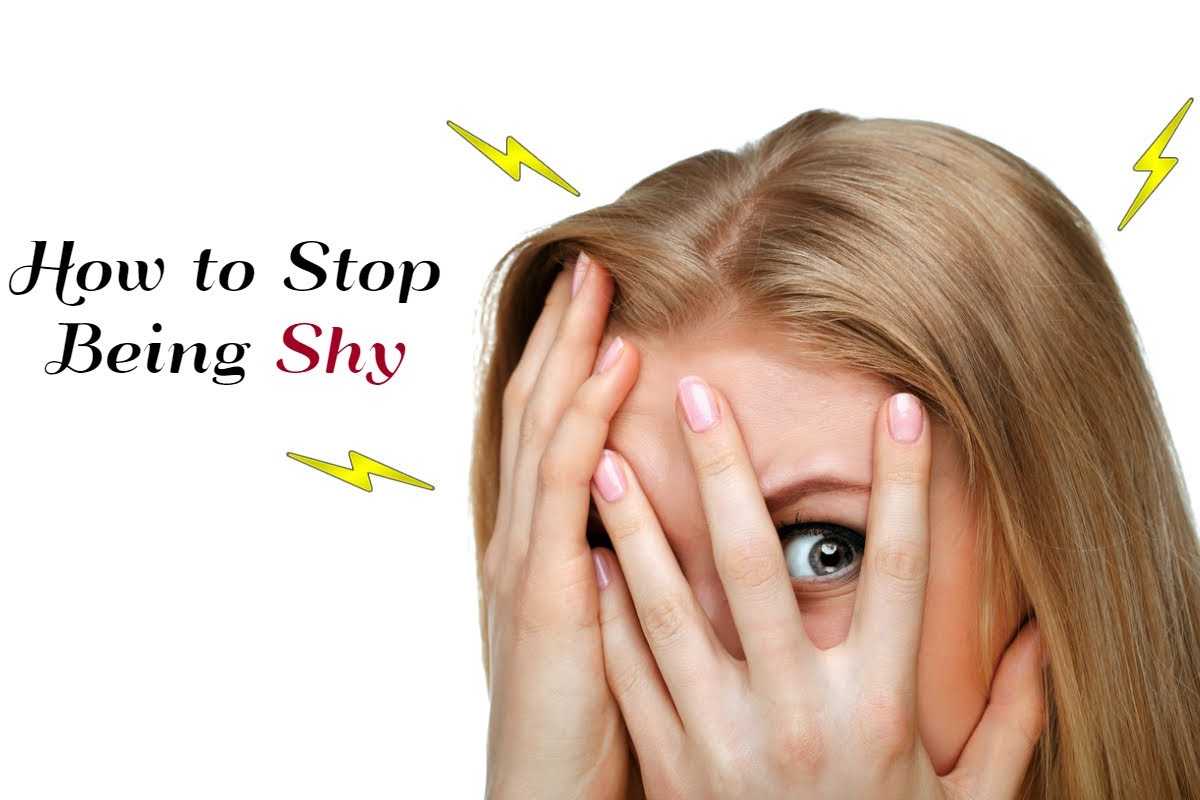
“Overcome shyness” means learning to reduce or manage feelings of nervousness, self-consciousness, or fear in social situations so you can communicate more confidently.
The beauty of this guide is that it is written in simple language that it clear to understand and is super practical. No complicated psychological terms and explanations.
Table of Contents
What Is Shyness and Why It Happens
Shyness is a feeling of discomfort or fear during social interaction. It often starts early in life due to:
- Fear of being judged
- Low self-esteem
- Past embarrassing experiences
- Overthinking habits
- Comparing yourself with others
Many people confuse shyness with introversion. They are not the same.
| Trait | Shyness | Introversion |
| Fear based | Yes | No |
| Enjoys socializing | Yes, but feels nervous | Sometimes prefers solitude |
| Can be improved | Yes | It’s a personality type |
Causes of Shyness
Shyness does not come from one single reason. Research in psychology shows it usually develops from a mix of experiences, thinking patterns, and environment.
Common causes include:
- Fear of judgment – worrying about what others think
- Low self-confidence – doubting your own worth
- Past embarrassing moments – your brain tries to “protect” you
- Overthinking – replaying conversations again and again
- Comparison with others – especially on social media
- Childhood experiences – strict parenting or lack of encouragement
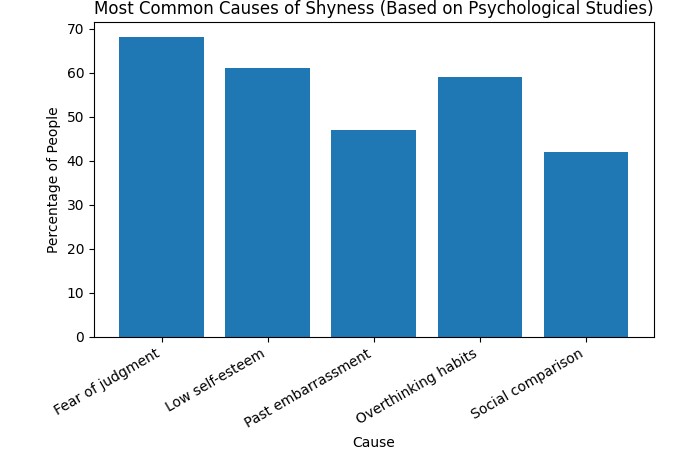
Most Common Causes of Shyness (Based on Psychological Studies)
| Cause | Percentage of People |
| Fear of judgment | 68% |
| Low self-esteem | 61% |
| Past embarrassment | 47% |
| Overthinking habits | 59% |
| Social comparison | 42% |
Types of Shyness
| Type of Shyness | How It Feels | Common Situations |
| Stranger Shyness | Feeling awkward or tense around new faces | Traveling, meeting new people, public places |
| Performance Shyness | While speaking or performing fear of being judged by the people | Interviews, presentations, stage events |
| Self-Image Shyness | Feeling shy because of body confidence or looks | Social media, public attention, and photos, |
| Social Shyness | Conversations and nervousness in groups | Meetings, family gatherings and parties |
| Authority Shyness | Feeling scared or small around seniors | Boss, teachers, officials, managers |
| Situational Shyness | Shyness only in specific moments | Dating, phone calls, networking |
| Chronic Shyness | Ongoing shyness that affects daily life | Work, relationships, social activities |
Crown Shyness – What It Teaches Us About Overcoming Fear
What It Teaches Us About Overcoming Fear Crown shyness is a phenomenon observed in nature, where the tops of certain tree species avoid touching each other, leaving gaps in their canopy. This occurs because scientists believe that tree crowns shun each other in order to avoid damage to their branches rubbing against one another during extreme weather.
You might wonder, “What does this have to do with human shyness?”
It involves a number of relevant ideas:
Boundaries are okay: Having a personal boundary when meeting new people is just like having a tree boundary. Shyness doesn’t mean you are weak. . Slow and careful growth works: If overcoming shyness takes a step by step process, then trees are the same. Trees take years to grow and adapt and don’t rush.
Awareness helps: “Knowing” other trees are around is what trees do. Self awareness is when you pay attention to how people respond to you, and if you are shy, it helps to do this. With practice, shyness is self protective and avoiding confrontation is not a failure. Just like the tree’s protective branches, you are protective. Social confidence is possible to develop without self-harm.
Strategies to Overcome Shyness
Overcoming shyness does not require changing your personality. It works best when you follow small, repeatable actions that slowly rewire confidence.
These strategies are proven through behavioral psychology and real-world practice:
- Gradual social exposure (start small, grow slowly)
- Shifting focus from yourself to others
- Improving body language and eye contact
- Practicing calm breathing
- Repeating simple conversations daily
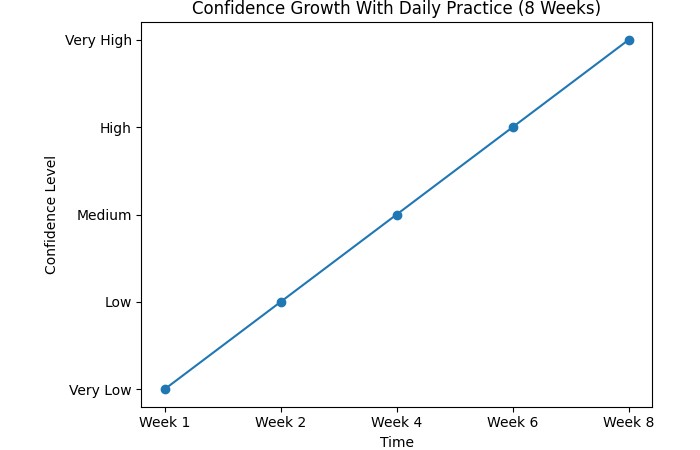
Confidence Growth With Daily Practice (8 Weeks)
| Week | Confidence Level |
| Week 1 | Very Low |
| Week 2 | Low |
| Week 4 | Medium |
| Week 6 | High |
| Week 8 | Very High |
Ways to Overcome Shyness & Be Confident
Accept Yourself First (Most Important Step)
Expectations, and without self acceptance, shyness is also not possible. Confident people aren’t liked by everyone. People not liking you is normal.
Once you accept:
- Your voice
- Your body language
- Your way of speaking
- You automatically feel lighter.
Build Self-Awareness, Not Self-Criticism
Most shy people think everyone is watching them. Truth? People are busy thinking about themselves.
When you feel shy:
- Observe your thoughts
- Notice your body tension
- Accept the feeling instead of fighting it
Know Your Strengths (You Have Them)
Everyone is good at something. You may be:
- A good listener
- Creative
- Helpful
- Calm
- Honest
Take Care of Your Body (Simple but Powerful)
Self-care is underrated when it comes to confidence.
Basic things that help instantly:
- Clean clothes
- Fresh breath
- Groomed hair
- Good posture
You don’t need expensive brands. Feeling clean and presentable improves self-image fast.
Start Talking (Even If It Feels Awkward)
You can’t overcome shyness by staying silent.
Start small:
- Say “Good morning” at work
- Compliment someone’s shoes
- Ask a simple question in a store
You don’t have to have long talks. Practice small talk.
An awkward silence may occur. That’s perfectly fine. We all experience moments like that.
Focus on Others, Not Yourself
Stop Being Self Involved, Think About Others This tip is very effective.
Instead of wondering:
“How do I look?”
“Am I sounding stupid?”
Focus on What the other person says, Their feelings, Their tone, Their emotion, Ask questions, People enjoy speaking and being listened to.
You begin to lose your shyness the moment you refocus your thoughts to the person you’re interacting with.
Breathing Technique to Calm Anxiety
When anxiety hits all of a sudden:
Breathe in through your nose (4 seconds) Hold for 2 seconds Breathe out through your mouth (6 seconds) Do this for 2-3 minutes.
Muscle Relaxation Trick
Relaxing your body takes place before relaxing your mind.
- The Calmness Trick Relaxation is the process of decreasing your body’s shyness.
- Do this: Tense your toes for 5 seconds, Relax Slowy.
- Go higher (to legs, stomach, shoulders).
- This will help center your body and lessen your anxious energy. Confidence Comes From Where You Look.
- Not making contact makes you look like you have zero self esteem and confidence.
Eye Contact Builds Instant Confidence
Avoiding eye contact makes you invisible.
You don’t need to stare. Just:
- Just look when you talk and listen. Nod once or twice And give a smile. Looking at people stays true to the idea of being interested and listening.
Stay in the Present Moment
Shyness grows when your mind jumps ahead:
- “What if I say something wrong?”
- “What will they think later?”
Instead:
- Listen carefully
- Notice facial expressions
- Be curious
Presence kills overthinking.
Yearly Search Trend for “Overcome Shyness”
Estimated global interest growth
| Year | Search Interest |
| 2021 | Low |
| 2022 | Medium |
| 2023 | High |
| 2024 | Very High |
| 2025 | Growing Faster |
Popular Ways People Try to Overcome Shyness
| Method | Effectiveness |
| Self-help books | Medium |
| Therapy / counseling | High |
| Online courses | Medium |
| Daily practice | Very High |
| Meditation | Medium |
Cost Comparison (Approximate)
| Method | USA | UK | India |
| Books | $10–$30 | £10–£25 | ₹150–₹500 |
| Online Courses | $20–$200 | £15–£150 | ₹500–₹3,000 |
| Therapy Session | $100–$250 | £40–£150 | ₹400–₹3,000+ |
| Self-Practice | Free | Free | Free |
Alternatives to Overcoming Shyness Naturally
- Join hobby groups
- Volunteer work
- Public speaking clubs
- Group fitness classes
These force gentle social exposure without pressure.
Psychological Interventions
Sometimes, shyness goes deeper than habits. Psychological support helps when fear feels overwhelming or constant.
Research-supported interventions include:
- Cognitive Behavioral Therapy (CBT) – changes negative thinking
- Exposure therapy – reduces fear by gradual practice
- Mindfulness therapy – improves present-moment awareness
- Social skills training – structured confidence building
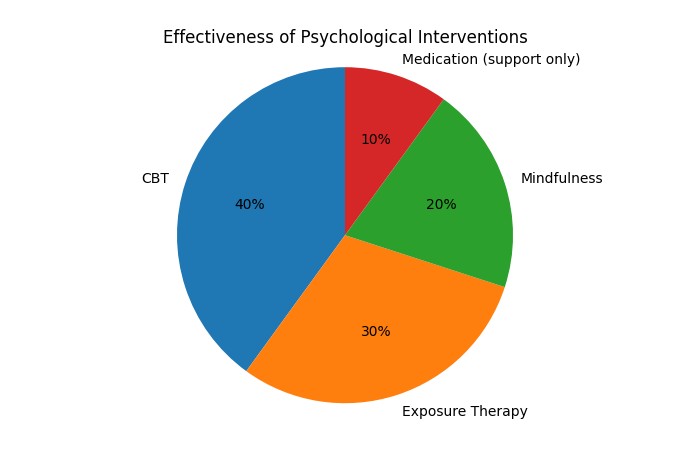
Effectiveness of Psychological Interventions
| Method | Effectiveness |
| CBT | 40% |
| Exposure Therapy | 30% |
| Mindfulness | 20% |
| Medication (support only) | 10% |
When to Seek Professional Help
If shyness:
- Affects work
- Stops relationships
- Causes panic attacks
Talking to a mental health professional helps.
Benefits of Overcoming Shyness
Benefits of Shyness Removal Reducing shyness doesn’t change you, it just enables the authentic you to emerge.
Social psychology research shows the following benefits:
- Improved ability to communicate
- Better relationships, both personal & professional
- More opportunities in one’s career
- Higher levels of self-esteem
- Less anxiety & stress
- Better mental health
- Enhancements in life after shyness reduction
Life Improvements After Reducing Shyness
| Area | Improvement Level |
| Confidence | Very High |
| Relationships | High |
| Career growth | High |
| Mental health | Medium-High |
Final Thoughts: Say Yes More Often
Every time you say no, you close a door.
Say yes to:
- Invitations
- Conversations
- New experiences
No need to change overnight. Small steps every day will lead to big confidence over time.
Shyness doesn’t define you. It’s just a habit — and habits can change.
