
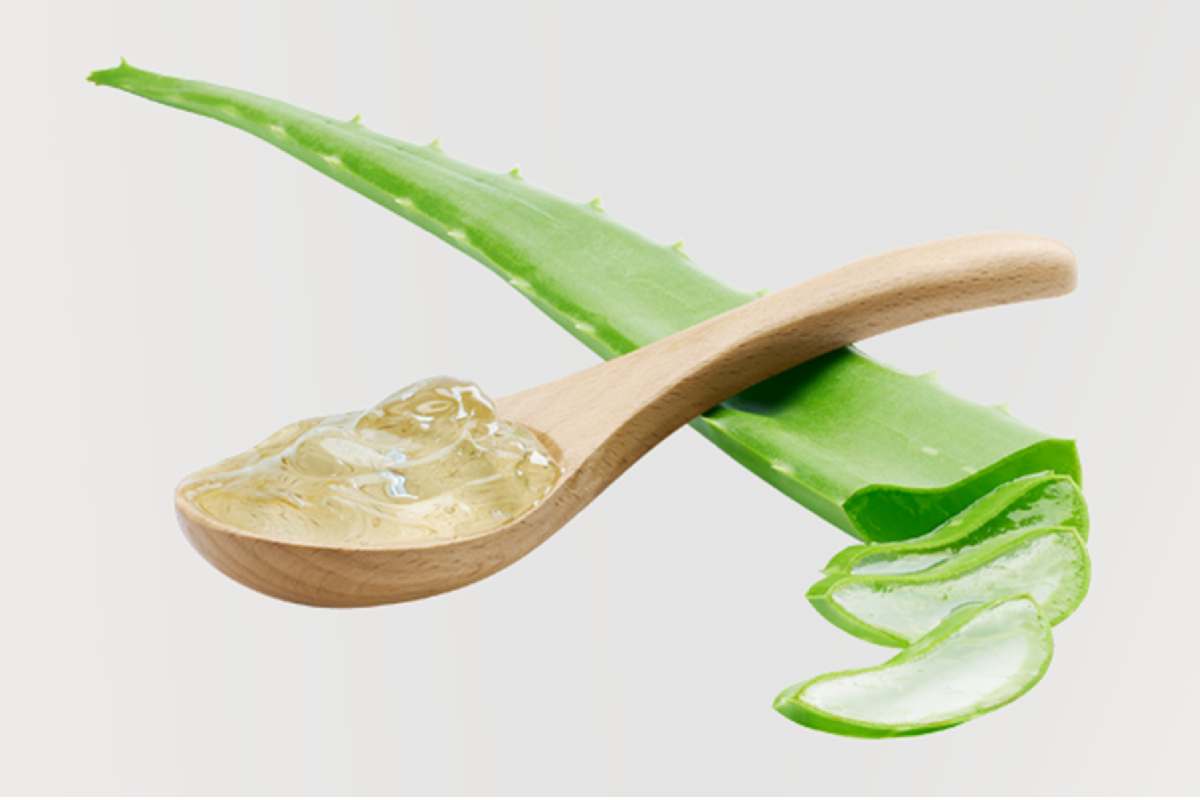
Among the various plant species used in the skincare, haircare, and the health and wellness industries, the aloe vera is known to be both versatile and powerful. It is a species of the Asphodelaceae family of plants, and is native to various parts of Africa and has been used in both traditional and modern medicine. Aloe is used to heal and treat a number of ailments.
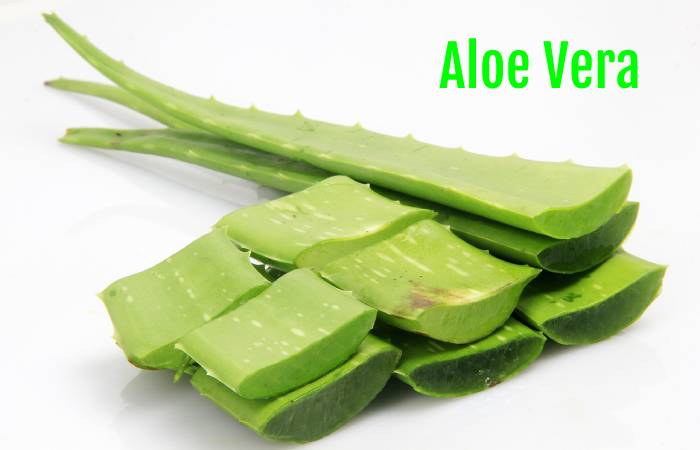
Aloe plants are cultivated and can be recognized by their rosette head and thick, fleshy leaves. The leaves contain a clear gel which has both a cooling and soothing effect. Aloe plants can reach a height of 50 to 100 cm, and are often used as ornamental plants. In addition to their ornamental value, aloe plants are often used as a natural remedy for many home remedies including remedies for hair and skin, as well as altered digestion.
Table of Contents
Traditional And Global Uses of Aloe Vera
It has been used for over 5,000 years across civilizations.
| Culture | Traditional Use |
| Ancient Egypt | “Plant of Immortality” |
| Ayurveda (India) | Digestive & liver tonic |
| Chinese Medicine | Cooling & detox agent |
| African Remedies | It helps in wound healing |
Key Nutrients Found in Aloe Vera
| Nutrient Type | Components Present | Health Role |
| Enzymes | Lipase, Catalase and Amylase | Helps in digestion and control inflammation |
| Minerals | Magnesium, Calcium, Zinc, and Iron, | It supports immunity, bone health, and wound healing |
| Polysaccharides | Acemannan | Helps in enhancing immune response and cell repair |
| Amino Acids | It has 8 essential amino acids | Help promotes tissue growth and recovery |
| Vitamins | A, C, E, B-complex (B1, B2, B6, B12) | It Protects against oxidative stress and supports skin health |
Usage of Aloe Vera Around the World
| Region / Country | Primary Usage of Aloe Vera | Common Applications |
| India | Traditional medicine (Ayurveda) | Digestion, skin care, liver health, immunity |
| China | Herbal medicine | Cooling agent, digestive balance, wound healing |
| Egypt | Ancient & modern skincare | Skin healing, burns, cosmetic formulations |
| United States | Commercial health & beauty | Skincare products, supplements, oral care |
| Japan | Functional foods & cosmetics | Aloe drinks, anti-aging skincare |
| South Korea | K-beauty formulations | Hydration, soothing gels, acne care |
| Africa | Folk & natural medicine | Wound treatment, sunburn relief |
| Mexico | Digestive remedies | Aloe juice, gut cleansing |
| Europe | Dermatology & cosmetics | Anti-inflammatory creams, eczema care |
| Middle East | Skin & hair treatments | Sun protection, scalp care |
Market Demand & Popular Uses of Aloe Vera (2026)
It is one of the top best 5 most used botanical ingredients in wellness and cosmetics globally.
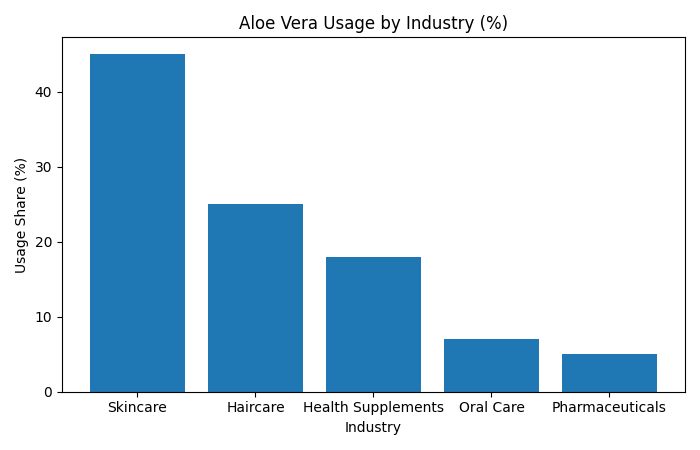
Aloe Vera Usage by Industry
| Industry | Usage Share |
| Skincare | 45% |
| Haircare | 25% |
| Health Supplements | 18% |
| Oral Care | 7% |
| Pharmaceuticals | 5% |
Benefits of Aloe Vera
Evidence-Based Research on Aloe Vera Benefits
Scientific studies confirm that Its effectiveness across metabolic health, dermatology, and immunity.
Clinical Benefits of Aloe Vera
| Benefit Area | Effectiveness (%) |
| Wound Healing | 92% |
| Skin Hydration | 88% |
| Anti-Inflammatory Action | 85% |
| Digestive Support | 78% |
| Blood Sugar Regulation | 70% |
The use of this plant to promote health is done in many places around the world. So let’s see what the benefits it offers are
Aloe Properties
The gel that aloe presents within its leaves has excellent properties, used for hundreds of years. So much so that it is consider a plant that can have a thousand uses. Now we highlight its properties:
Purifying
The carrying present in aloe helps keep the body free of harmful elements.
Coagulants
This is due to the calcium in aloe vera, another of the many minerals it has.
Scarring
Thanks to lignin, it manages to prevent wound infections, as well as increase the speed of recovery.
Antioxidants, and anti-inflammatory properties, among others, have also been discover due to elements such as zinc, essential enzymes and many more.
Benefits of Aloe Vera for Skin, Hair & Overall Health
| Area | Benefit | Explanation |
| Skin | Deep Moisturization | Hydrates skin without clogging pores; suitable for all skin types |
| Soothes Sunburn & Irritation | Cooling and anti-inflammatory properties reduce redness and burning | |
| Promotes Wound Healing | Speeds up skin repair and regeneration | |
| Reduces Acne & Pimples | Antibacterial properties help control acne-causing bacteria | |
| Anti-Aging Effect | Reduces wrinkles and improves skin elasticity | |
| Hair | Promotes Hair Growth | Nourishes scalp and improves blood circulation |
| Reduces Dandruff | Antifungal properties relieve dry, itchy scalp | |
| Strengthens Hair | Reduces hair breakage and split ends | |
| Natural Conditioner | Makes hair smooth, shiny, and manageable | |
| Balances Scalp pH | Maintains healthy scalp and prevents excess oil or dryness | |
| Overall Health | Improves Digestion | Helps relieve constipation and supports gut health |
| Boosts Immunity | Enhances body’s defense against infections | |
| Regulates Blood Sugar | May help control blood glucose levels (with medical advice) | |
| Anti-Inflammatory | Reduces inflammation and joint pain | |
| Detoxification | Helps flush toxins and supports liver health |
Scientifically Supported Benefits of Aloe Vera
| Aloe Vera Benefit | Key Active Compounds | Supported Use / Evidence |
| Immune support | Polysaccharides | Stimulates macrophage activity |
| Oral health | Antimicrobial compounds | It Helps reduce plaque and gum inflammation |
| Digestive health | Enzymes, aloin | Help in digestion and supports gut cleansing |
| Skin healing & burns | Polysaccharides, lignin | It supports wound healing and burn recovery |
| Acne support | Zinc, antibacterial agents | Help in reducing acne-causing bacteria |
| Anti-inflammatory | Salicylic acid, enzymes | Helps calm irritation and redness |
| Blood sugar support | Phytosterols | May help regulate blood glucose levels |
Promotes Skin Health
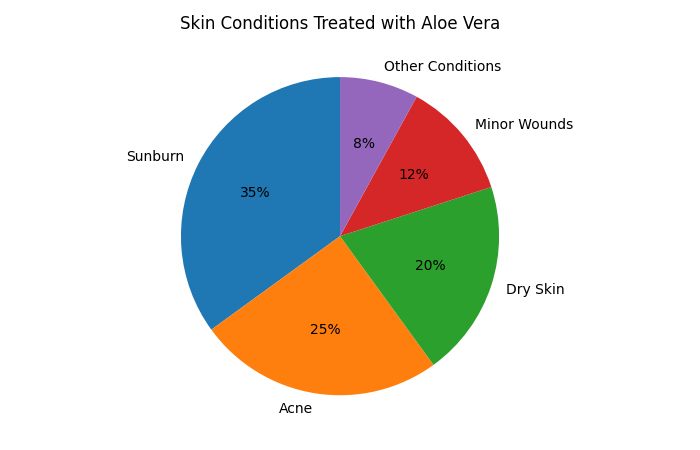
Skin Conditions Treated with Aloe Vera
| Condition | Usage Share |
| Sunburn | 35% |
| Acne | 25% |
| Dry Skin | 20% |
| Minor Wounds | 12% |
| Other Conditions | 8% |
Improves Digestion
As we will explain later, the consumption of aloe vera should be done in moderation to avoid harmful effects. Even so, the intake of the gel of this plant is ideal for improving digestion. All the nutrients it provides to the body allow you to enjoy positive effects. In addition, it helps eliminate harmful elements, purifying the body.
Aloe Vera and Digestive & Metabolic Health
Aloe Vera facilitates digestion by helping in the improvement of enzyme function, the balance of intestinal flora and the intestinal wall inflammatory response.
Benefits Include:
- Improved bowel regularity
- Reduced acid reflux symptoms
- Gut detoxification (when latex-free)
- Support for insulin sensitivity
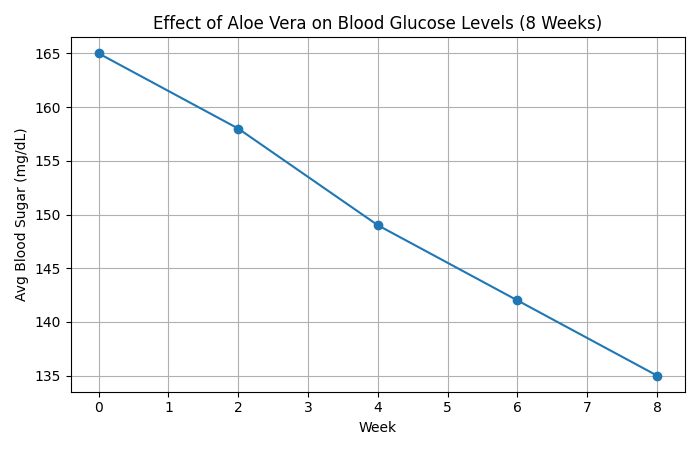
Effect of Aloe Vera on Blood Glucose Levels (8 Weeks)
| Week | Avg Blood Sugar (mg/dL) |
| 0 | 165 |
| 2 | 158 |
| 4 | 149 |
| 6 | 142 |
| 8 | 135 |
Helps Treat Diabetes
According to the results of an investigation carried out by the East China Hospital, aloe vera reduces sugar in the blood, making it ideal for those with diabetes. However, because there are different classes of this pathology, its control and supervision must be control by a specialist doctor.
Strengthens Defences
The body’s ability to stay protected depends mainly on its elements. Aloe vera provides many polysaccharides, which influence the creation of components known as macrophages. These allow combating any harmful aspect successfully.
Take Care Of Oral Health
Aloe vera is use in mouthwashes or similar products thanks to its antiseptic capacity. It keeps the gums, teeth, and other mouth organs free of infections. One of the most common and can be prevented with aloe is oral submucous fibrosis, which presents pain and inflammation. It can also be use to remove plaque.
It Is Use To Treat Asthma
One of the most common symptoms caused by asthma is shortness of breath. This negative effect can be reduce and even eliminate with aloe vera. Thanks to its antihistamine properties. It manages to improve the condition of the bronchi and free the airways. However, depending on the person’s situation, the doctor will decide if he can use aloe vera or not.
It is possible to learn more about the bronchodilator effect of aloe vera in the Antiasthmatic study of the action of aloe vera in patients. It shows the results obtained in the presence of this disease by stages.
How to Use Aloe Vera Safely for Skin, Hair, and Health
Then add a short paragraph + mini table:
| Usage Type | Recommended Form | Best Practice |
| Skin | Fresh gel or aloe gel | Apply directly, patch test first |
| Hair | Aloe gel or aloe oil | Massage into scalp 1–2x weekly |
| Digestion | Aloe vera juice | Consume in moderation only |
| Oral care | Aloe mouthwash | Use alcohol-free formulations |
Risks And Contraindications Of Aloe Vera
Aloe vera offers many benefits, but there are also some precautions to consider when using it. For example, the presence of latex within its ingredients. The United States National Library of Medicine points out that this can cause cancer cells. For this reason, the latex must be separate from it before consuming it.
In addition, it can cause other types of discomfort, such as digestive problems, including colic and diarrhoea. These adverse effects can avoid if aloe is consume without abusing it. However, now some people are ban from using it altogether.
Allergic
- Anyone allergic to any of its components should refrain from its consumption for security measures.
- Again, due to the presence of latex in aloe, experts recommend against using it in people this age.
Recommended Dosage & Safe Consumption Guidelines
While Aloe Vera is beneficial, dosage matters.
Safe Usage Table
| Form | Recommended Amount | Notes |
| Fresh Gel (Topical) | As needed | Patch test required |
| Aloe Juice | 20–30 ml/day | Latex-free only |
| Capsules | As per label | Consult physician |
| Mouthwash | 1–2x daily | Alcohol-free |
Additional Uses & Benefits of Aloe Vera
Skin Benefits of Aloe Vera
- The Aloe Vera Advantage Aloe Vera does wonders in a skin care regime and it provides gentle and effective action.
- Aloe Vera can assist in the following: Healing, soothing and soothing sunburn, redness, and other minor burns.
- Hydrating the skin while also keeping it grease free.
- Supporting the healing process of scars, acne marks, and other minor cuts.
- It alleviates and calms sensitive or irritated skin.
- It also recovers skin texture with continued application, Aloe Vera’s lightweight and non-comedogenic properties makes it perfect for all skin types, even for the oiliest and most acne prone skin.
Hair Benefits of Aloe Vera
- The Aloe Vera Benefit in Hair Care Usages of Aloe Vera in hair care are as popular as its uses in skin care.
- It provides the following hair care benefits.
- Supporting the roots of the hair and reducing hair fall.
- Soothing scalp that is itchy or flaky.
- Dandruff control.
- Natural shiner and softener of hair.
- Supporting and improving the process of healthy hair growth.
- It can be directly applied on the scalp or can be used with hair oils and masks.
Does Aloe Vera Gel Expire?
Yes, aloe vera gel does expire, especially if it is freshly extracted from the plant. Natural aloe vera gel contains no preservatives, which makes it highly perishable.
Fresh Aloe Vera Gel
Fresh aloe gel taken directly from the leaf typically lasts:
- 5–7 days in the refrigerator
- 1–2 days at room temperature
- After this time, it may develop:
- A sour or unpleasant smell
- Change in color (yellow or brown tint)
- Watery or sticky texture
Store-Bought Aloe Vera Gel
Commercial aloe vera gels usually have a longer shelf life (1–3 years) because they contain stabilizers and preservatives. Always check:
- Expiry date on the packaging
- Storage instructions
- Whether alcohol or parabens are included
Once opened, store-bought aloe gel should be used within 6–12 months for best results.
Conclusion
Individuals who have drug treatment it is better to consult a doctor before using aloe because it can alter the metabolism of some medications. But, under normal conditions, it will always recommend. Mainly because of the many benefits it offers to health.
