
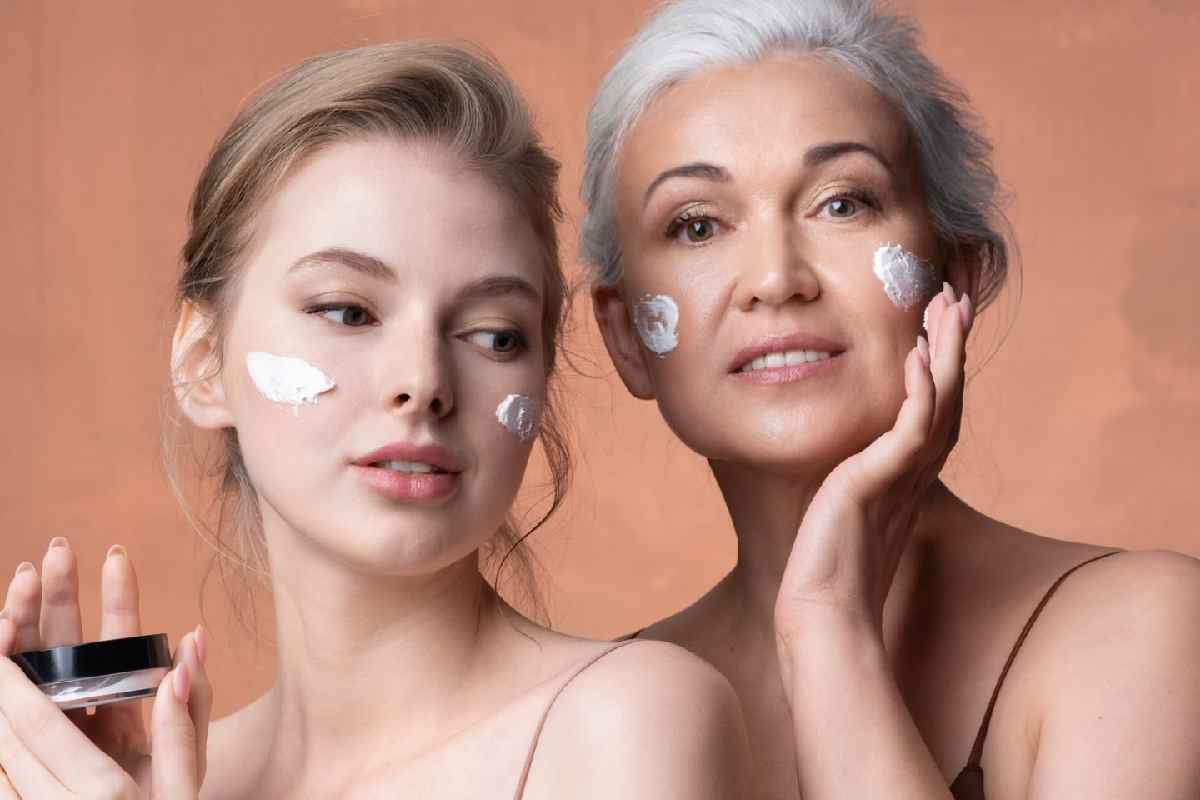
Aging is usually natural but how skin ages depends mostly on how we care for it. Anti Aging Skincare is no lengthier about chasing excellence or backing time. Today, it is about caring skin health, aging gracefully and supporting collagen with evidence-based habits.
With improvements in dermatology, ingredients, and skin biology, modern aging skincare emphases on prevention, repair, and long-term resilience.
Table of Contents
What Is Aging Skincare?
Aging skincare refers to products, routines, and habits intended to slow visible signs of aging such as:
- Fine lines and wrinkles
- Uneven skin tone
- Dryness and dullness
- Loss of elasticity and firmness
- Sun damage and Age spots
Unlike anti-aging marketing claims, actual aging skincare is deal with in skin barrier suppor, sun protection and collagen preservation.
Why Skin Ages: The Science Explained Simply
Skin aging occurs due to two main factors:
1. Intrinsic Aging
- Gentler cell turnover
- Reduced collagen and elastin
- Thinner skin over time
2. Extrinsic Aging (Environmental Damage)
- UV contact (photoaging)
- Pollution and free radicals
- Smoking and stress
- Poor skincare practises
Up to 80% of visible skin aging is produced by sun exposure, making prevention the greatest powerful skincare strategy.
Skin Aging Types
| Aging Type | Cause | What Happens in Skin | Can It Be Prevented? |
| Intrinsic Aging | Genetics + natural aging | Slower cell renewal, collagen loss | Not fully |
| Extrinsic Aging | Sun, pollution, lifestyle | Wrinkles, pigmentation, sagging | Mostly |
| Photoaging | UV radiation | Deep wrinkles, age spots | Highly |
| Lifestyle Aging | Smoking, stress, sleep loss | Dullness, inflammation | Yes |
Clinical dermatology studies show extrinsic aging contributes 70–80% of visible skin aging.
Contribution of Factors to Visible Skin Aging
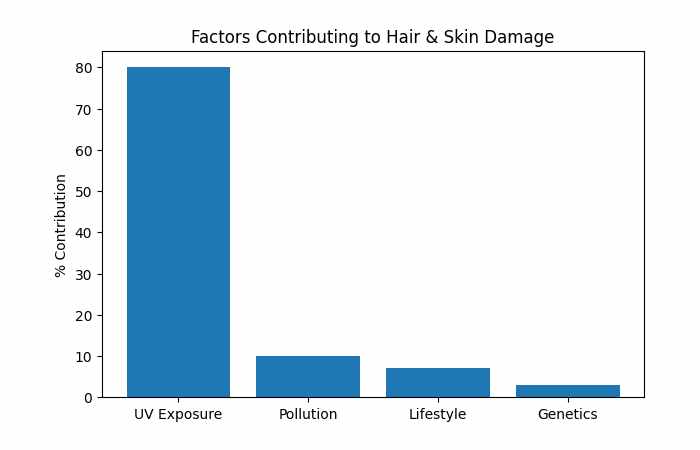
| Factor | % Contribution |
| UV Exposure | 80% |
| Pollution | 10% |
| Lifestyle (sleep, diet, stress) | 7% |
| Genetics | 3% |
Top Aging Skincare Concerns by Age Group
| Age Group | Common Skin Changes | Skincare Focus |
| 25–30 | Early fine lines, dehydration | Prevention, antioxidants |
| 30–40 | Collagen loss, dullness | Retinoids, hydration |
| 40–50 | Wrinkles, uneven tone | Firming, pigmentation care |
| 50+ | Thinning skin, dryness | Barrier repair, nourishment |
Skin Aging Timeline – What Changes at Each Decade
Skin Aging Progression
| Age Range | Biological Skin Changes | Visible Signs |
| 20–30 | Collagen starts declining (1%/year) | Dehydration, fine lines |
| 30–40 | Slower cell turnover | Dullness, uneven tone |
| 40–50 | Estrogen decline | Wrinkles, pigmentation |
| 50–60 | Barrier weakens | Sagging, dryness |
| 60+ | Thinner epidermis | Fragility, age spots |
Collagen Levels Decline With Age
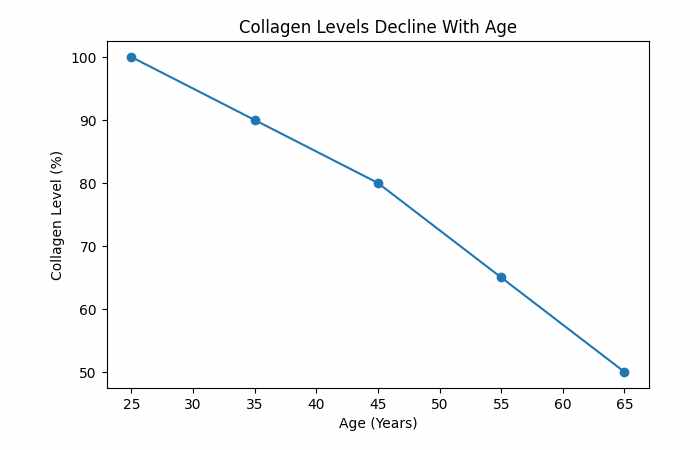
| Age | Collagen Level (%) |
| 25 | 100 |
| 35 | 90 |
| 45 | 80 |
| 55 | 65 |
| 65 | 50 |
When Should You Start Anti-Aging Skincare?
Dermatologists recommend starting anti-aging skincare in mid-20s. At this stage, collagen production begins to decreases, and it early prevention benefits delay pigmentation, fine lines, and less elasticity.
The effort in your 20s should be hydration, sun protection, and antioxidants, while stronger actives like retinol can be gradually introduced in your 30s and beyond. The finest time to start anti-aging skincare is earlier visible aging begins, not after.
Best Ingredients for Anti Aging Skincare
Proven Anti-Aging Ingredients
| Ingredient | Benefits | Suitable For |
| Retinol | Smooths wrinkles and Boosts collagen | Normal, aging skin |
| Vitamin C | Fights free radicals and Brightens, | Dull, uneven skin |
| Hyaluronic Acid | Plumps skin and Deep hydration | All skin types |
| Niacinamide | It Improves elasticity, tone | Sensitive, aging skin |
| Peptides | It Supports skin firmness | Mature skin |
| Sunscreen (SPF 30+) | SPF Prevents photoaging | Everyone |
Dermatologists consistently rank sunscreen and retinoids as the most effective aging skincare tools.
Clinically Proven Ingredients vs Marketing Ingredients
Evidence-Based Ingredient
| Ingredient | Clinical Evidence Level | Proven Benefits |
| Retinoids | ⭐⭐⭐⭐⭐ | Collagen boost, wrinkle reduction |
| Sunscreen | ⭐⭐⭐⭐⭐ | Prevents photoaging |
| Vitamin C | ⭐⭐⭐⭐ | Brightening, antioxidant |
| Niacinamide | ⭐⭐⭐⭐ | Barrier repair, elasticity |
| Peptides | ⭐⭐⭐ | Firmness support |
| Gold / Caviar | ⭐ | Cosmetic feel only |
No ingredient outperforms daily sunscreen + retinoids for long-term aging prevention.
Most Effective Anti-Aging Ingredients
| Ingredient | Share |
| Sunscreen | 40% |
| Retinoids | 35% |
| Antioxidants | 15% |
| Moisturizers | 10% |
Aging Skincare Myths You Should Stop Believing
“Luxurious products work better”
“Wrinkles can be removed overnight”
“Only mature skin wants aging skincare”
Truth: Early prevention + proven ingredients = long-term results
Lifestyle Factors That Accelerate Skin Aging
| Factor | Effect on Skin Aging |
| Smoking | Breaks collagen |
| Poor sleep | Increases wrinkles |
| High sugar diet | Glycation damage |
| Chronic stress | Inflammation |
| No sunscreen | Rapid aging |
Lifestyle Habits That Speed Up Aging
| Habit | Aging Risk Level |
| No SPF | Very High |
| Smoking | High |
| Poor Sleep | High |
| Junk Food | Medium |
| Stress | Medium |
Anti Aging Skincare for Different Skin Types
| Skin Type | Recommended Focus |
| Dry | It is rich moisturizers, ceramides |
| Oily | Its lightweight retinoids, niacinamide |
| Sensitive | Helps in gentle formulations, peptides |
| Combination | Balanced hydration + actives |
Anti-Aging Skincare for Sensitive Skin
| Product Type | Best Ingredients | Why It Works |
| Cleanser | Gentle and sulfate-free | It Prevents irritation and barrier damage |
| Serum | Niacinamide and peptides | Helps improves elasticity without redness |
| Moisturizer | Ceramides and cholesterol | Help repairs skin barrier and locks moisture |
| Treatment | Low-strength retinol or bakuchiol | Anti-aging benefits with less irritation |
| Sunscreen | Mineral SPF | Protects without stinging or breakouts |
Best Anti-Aging Skincare Products
| Product | Main Benefit | Price (Approx) | Country | App / Store |
| Eclat 3-Pack Serums (Vit C, Retinol, HA) | Complete anti-aging routine | ₹5,571 | India | Esupli |
| Minimalist 2% Granactive Retinoid Cream | Gentle retinol for beginners | ₹664 | India | Allure Cosmetics |
| Lakmé Retinol Advanced Renewal Serum | Affordable daily retinol | ₹999 | India | Lakmé App |
| Olay Regenerist Retinol 24 | Smooths wrinkles overnight | ₹3,500 | USA | Amazon |
| The Ordinary Retinol in Squalane | Budget-friendly anti-aging | ₹1,200 | UK | Nykaa / Boots |
| Innisfree Retinol Cica Repair Serum | Retinol for sensitive skin | ₹2,800 | South Korea | Innisfree App |
Anti-Aging Routine by Time of Day
Morning vs Night Skincare
| Time | Focus | Key Products |
| Morning | Protection | Cleanser, Vitamin C, SPF |
| Night | Repair | Cleanser, Retinoid, Moisturizer |
| Weekly | Renewal | Exfoliation, masks |
Skin Repair Activity During Day vs Night
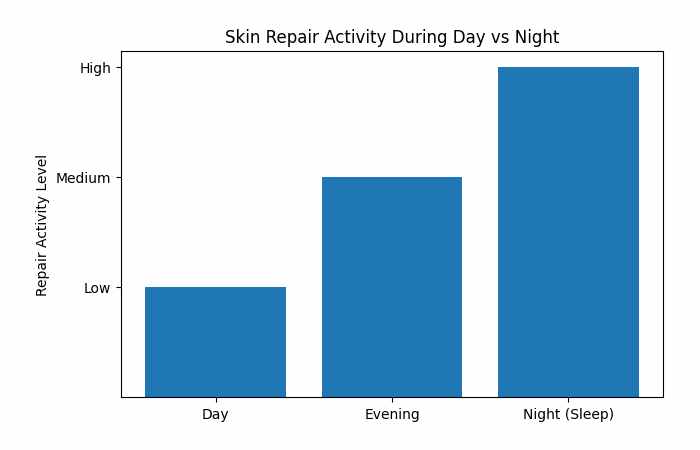
| Time | Repair Activity |
| Day | Low |
| Evening | Medium |
| Night (Sleep) | High |
Anti Aging Skincare Tips: Protect, Hydrate & Repair Your Skin
#1. Sun Damage
Research shows that up to 80% of visible skin aging which including wrinkles, loss of elasticity, and brown spots it is produced by UV exposure not just time itself.
Why it matters:
- Daily SPF protects against both UVA and UVB aging effects
- UV rays break down collagen & elastic fibers
- They cause free radical formation & DNA damage
It is not opinion — it’s widely accepted in dermatology.
#2. Retinoids Have Strong Clinical Evidence
It is one of the most studied anti-aging ingredients in dermatology. Studies show:
- It can improve fine lines and skin texture
- Even over-the-counter retinol delivers measurable results with consistent use
- They increase collagen production and cell turnover
A 0.1% retinol formula increased collagen density in as little as 24 weeks, according to a published clinical trial.
#3. Vitamin C Protects Against Visible Sun Damage
Vitamin C is one of the best effective antioxidants for aging skincare because it:
- Brightens dark spots and uneven tone
- Supports collagen synthesis
- Neutralizes free radicals from sun + pollution
A study showed that topical Vitamin C reduced UV-induced red spots by more than 50% compared to placebo.
#4. Hyaluronic Acid Hydrates Like Nothing Else
One of the best humectants in the world is hyaluronic acid, which is able to hold over 1000 times its own weight in water.
Why is this important in an anti-aging skincare routine?
Fine lines caused by a lack of moisture become less noticeable.
Plumper skin will improve the skin’s elasticity, and a more full and smooth appearance will be present.
To increase the hydration-retaining properties of a moisturizer, apply a hyaluronic acid product to skin that is slightly moist and seal it in with a moisturizer.
#5. Sleep Really Affects Aging Skin
Excellence sleep is not a “nice-to-have”—it’s a biological necessity for skin health. During deep sleep:
- Cortisol levels drop
- Growth hormones rise
- Cellular repair and collagen formation occur
Lack of sleep is linked with accelerated signs of aging, including dullness and uneven tone. Researchers call sleep the ultimate anti-aging “treatment” the body already makes for you.
#6. Nutrition Supports Skin Structure From Within
Foods rich in omega-3s and antioxidants aid protect skin cells from oxidative stress:
- Berries has vitamin C & polyphenols
- Fatty fish has omega-3sand it reduce inflammation
- Green leafy veggies has vitamin A & carotenoids in it
Clinical nutrition studies show diets high in antioxidants correlate with better skin elasticity and lower signs of aging.
#7. Moisturizers Improve Barrier Function
A strong skin barrier is essential to aging skincare because:
- It prevents moisture loss
- It protects against irritants
- It reduces inflammation
Cholesterol, fatty acids and ceramides benefit restore the stratum corneum, the outermost skin layer that worsens with age.
Anti-Aging Skincare Results Timeline
Results Timeline
| Time Frame | What Improves |
| 1–2 weeks | Hydration, glow |
| 4–6 weeks | Texture, tone |
| 8–12 weeks | Fine lines |
| 6 months | Collagen density |
Visible Skin Improvement Over Time
| Weeks | Improvement Level |
| 0 | Baseline |
| 4 | Slight |
| 8 | Moderate |
| 12 | Visible |
| 24 | Significant |
Quick Summary
| Topic | Key Research Insight |
| Sun Exposure | ~80% of visible aging due to UV damage |
| Retinoids | Clinically increases collagen |
| Vitamin C | It Reduces UV-induced red spots >50% |
| Hyaluronic Acid | Holds up to 1000x water weight |
| Sleep | It repair and reduces aging signs |
| Nutrition | Antioxidant-rich diets related to skin elasticity |
| Moisturizers | It repair slows visible aging |
Conclusion of Anti-Aging Skincare
Anti-aging skincare is not about stopping time—it’s about caring for your skin in a smart, consistent, and sustainable way. With the right combination of cleansing, hydration, sun protection, and targeted treatments, it’s possible to slow visible signs of aging such as fine lines, wrinkles, dullness, and uneven tone. Ingredients like retinoids, antioxidants, peptides, and hyaluronic acid play a key role in maintaining skin elasticity, boosting collagen, and keeping the skin healthy.
