
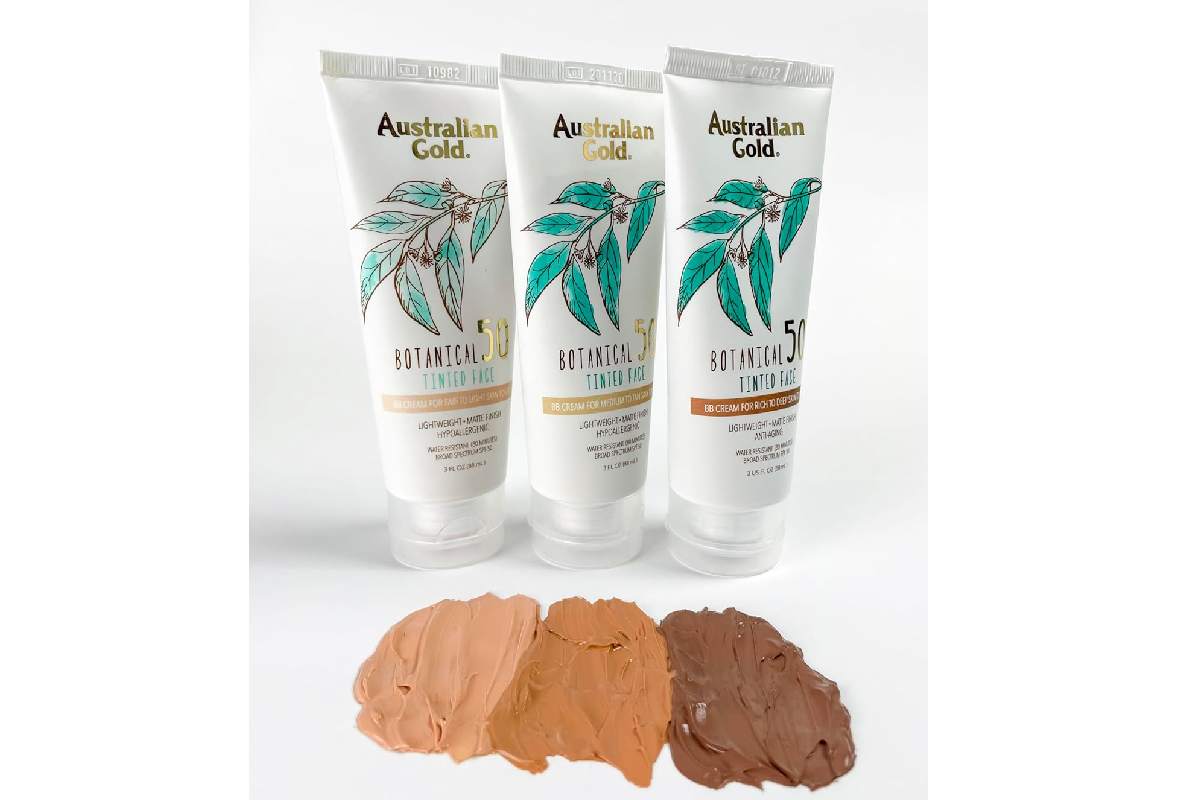
Australian Gold Tinted Face Sunscreen is my absolute pick for summer, and honestly, it deserves outstanding choice for sunscreen roundup. It’s true that Australian Gold is an everyday best sunscreen, I have reviewed. I have been using it almost every day for the last ten years. Out of the many sunscreen brands I have tried, it is no coincidence that many of my favorite everyday SPF 50+ sunscreens tend to be mineral based.
My skin sensitive, due to my atopic dermatitis eczema. I have learned to avoid chemical filters for sunscreen, as they are irritants. Chemical filters act as irritants for many individuals, including me.
Australian Gold Tinted Face Sunscreen is definitely an everyday, sunscreen that is also commercial grade sunscreen.
Table of Contents
What Is Australian Gold Tinted Sunscreen?
Australian Gold Tinted Sunscreen is 100% mineral based, broad spectrum, daily use, SPF 50 sunscreen for high UV exposure. Unlike most sunscreen that use chemical filters, it uses Zinc Oxide and Titanium dioxide for physical UV protection. Additionally, it contains pigment for light tint so it can blend with skin tone and is more wearable. Australian Gold Tinted Sunscreen is one of the few products that blend dermatological sun protection with cosmetic innovation. It is a sunscreen and a light make up product for daily use.
It is exclusively popular among people with sensitive, eczema-prone, and reactive skin who require high SPF protection without irritation.
Australian Gold Tinted Sunscreen vs Regular Sunscreens
| Feature | Australian Gold Tinted Sunscreen | Regular Sunscreen |
| UV Filters | 100% Mineral | Mostly Chemical |
| SPF | SPF 50 Broad Spectrum | SPF 30–50 |
| Tint | Yes (Iron Oxides) | No |
| Skin Type Focus | Sensitive / Eczema | General |
| Cosmetic Finish | Matte, makeup-friendly | Often greasy |
Why Australian Gold Tinted Sunscreen Is Ideal for Sensitive & Eczema-Prone Skin
People with sensitive or eczema-prone skin struggle with sunscreen daily because the use of chemical UV filters cause burning, stinging, and reactve skin. Studies show that mineral sunscreen is better because of it staying in the outermost layer of the skin and not being absorbed.
Australian Gold Tinted Sunscreens, due to relying only on physical UV blockers, is way more unlikely to cause disruptions to weak skin barriers. Zinc oxide is anti-inflammatory and helps with skin conditions like eczema and rosacea.
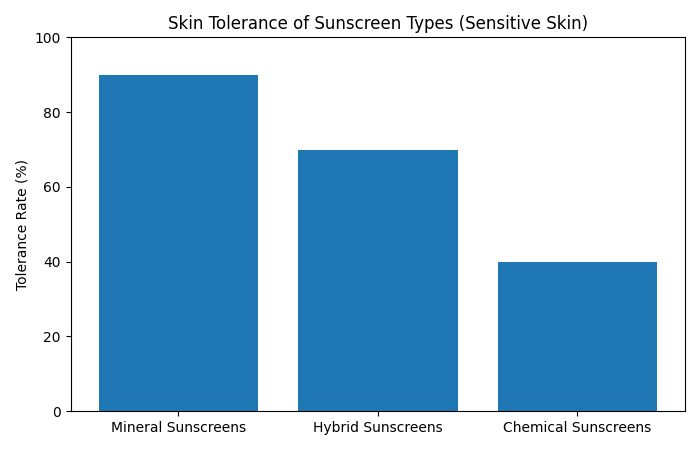
Skin Tolerance of Sunscreen Types (Sensitive Skin)
| Sunscreen Type | Tolerance Rate |
| Mineral Sunscreens | 90% |
| Hybrid Sunscreens | 70% |
| Chemical Sunscreens | 40% |
Mineral vs Chemical Sunscreens: Why This Formula Works
Australian Gold Botanical Tinted Sunscreen contains only physical (mineral) UV filters:
- 4% Zinc Oxide
- 4% Titanium Dioxide
There are no chemical UV filters, making it a strong option for:
- Sensitive skin
- Eczema-prone skin
- Rosacea
- Post-procedure skin
- Pregnancy-safe routines
Mineral filters work differently—they just set on top of your skin and rebound the UV rays away instead of soaking them up. For my reactive skin, that usually means way less redness, no stinging, and I keep using it day after day without problems.
Formula Updates & Ingredient Notes
Australian Gold has updated this sunscreen over time, which can make ingredient comparisons confusing. Packaging and inserts don’t always match, so identifying whether you’ve purchased the old or new formula may take some trial and error.
Key Ingredients to Know
Red Algae Extract
Known for antioxidant properties and potential UVA-blocking support. While it can irritate some skin types, it contributes to enhanced UV defense and remains in the updated formula.
Eucalyptus Extract
Still present. If eucalyptus irritated your skin in previous versions, this formula may not be ideal for you.
Iron Oxides
A major win. Iron oxides improve protection against UVA rays and blue light, making this sunscreen especially appealing for people concerned about hyperpigmentation and digital light exposure.
Formula Changes Over Time – What Has Improved
| Feature | Older Formula | Current Formula |
| Shade Options | 1 Universal Tint | 3 Shade Range |
| Iron Oxides | Limited | Enhanced |
| Finish | Matte | Improved matte |
| UV Filters | Mineral | Mineral |
Shade Range & Tint Performance
One of the biggest improvements over the years has been the expanded shade range.
Previously, this sunscreen came in a single universal tint. That shade has now been renamed Fair to Light, with two additional options introduced:
- Fair to Light
- Medium to Tan
- Rich to Deep
The tint helps to:
- Neutralize redness
- Minimize uneven tone
- Blur fine lines and texture
Coverage is light—think BB cream rather than foundation—but it significantly improves overall skin appearance.
Shade Range Improvement Over Time
| Version | Number of Shades |
| Earlier Releases | 1 |
| Current Formula | 3 |
Australian Gold Tinted Sunscreen at a Glance
To benefit readers understand why Australian Gold Tinted Sunscreen works so well—mainly for sensitive and eczema-prone skin—here’s a perfect breakdown of its important features, filters, and real-world benefits related to what most individuals look for in a daily sunscreen.
Australian Gold Tinted Sunscreen
| Feature | Australian Gold Tinted Sunscreen |
| Sunscreen Type | 100% Mineral |
| SPF Rating | SPF 50 Broad Spectrum |
| UV Filters | 4% Zinc Oxide, 4% Titanium Dioxide |
| Protection | UVA + UVB + Blue Light |
| Tint | Iron Oxides |
| Finish | Soft matte / powdery |
| Skin Types | Sensitive, oily, combination, eczema-prone |
| White Cast | Minimal |
| Fragrance | Botanical extracts present |
| Cruelty-Free | Yes |
| Pregnancy-Safe | Yes |
Why Australian Gold Tinted Sunscreen Stands Out Scientifically
Unlike many “hybrid” sunscreens, Australian Gold Tinted Sunscreen relies entirely on mineral UV filters, which makes it far less irritating for compromised skin barriers.
Zinc Oxide
- Anti-inflammatory and soothing
- Ideal for eczema and rosacea
- Broad-spectrum UVA & UVB protection
Titanium Dioxide
- Strong UVB protection
- Lightweight mineral shield
- Less reactive than chemical filters
Iron Oxides
- Adds protection against visible light & blue light
- Helps prevent melasma and post-inflammatory hyperpigmentation
- Improves cosmetic finish and redness correction
This combination explains why the sunscreen performs well not only outdoors but also during daily indoor exposure, such as working near windows or screens.
Australian Sunscreen Standards Explained: What Makes a Sunscreen Truly Protective?
Because of strict regulations regarding sunscreen production and a high level of UV light and instances of skin cancer, we can see the reason for creating Australian Gold Tinted Sunscreens and why mineral SPF 50 sunscreen is recommended for sensitive skin. Explaining the Australian sunscreen standards, Australian sunscreen is not a cosmetic product.
Australian sunscreen is a product of the Therapeutic Goods Administration (TGA) which classifies sunscreen as a therapeutic good. Meaning, sunscreen must go through rigorous testing concerning UV protection, sunscreen firmness, and sunscreen labeling. .
Key Australian Sunscreen Requirements (TGA-Aligned)
| Standard Area | Australian Requirement | Why It Matters for Skin |
| SPF Rating | SPF 30 or SPF 50+ only | Ensures high-level UVB protection |
| Broad Spectrum | Mandatory | Protects against both UVA & UVB |
| UVA Protection | ≥ 1/3 of SPF value | Reduces premature aging & DNA damage |
| Water Resistance | Tested (40 or 80 minutes) | Maintains protection during sweat or swimming |
| Label Claims | Regulated & verified | Prevents misleading SPF claims |
| Filter Safety | Strict approval process | Minimizes irritation & toxicity risks |
This regulatory environment is why Australian sunscreens are often considered some of the greatest reliable globally—particularly for people with compromised skin barriers.
Mineral vs Chemical Sunscreens Under Australian Conditions
Australia’s extreme sun exposure favours stable, broad-spectrum protection, which clarifies the popularity of zinc oxide–based formulas.
Comparison: Mineral vs Chemical Sunscreens (Australia-Focused)
| Feature | Mineral Sunscreens (Like Australian Gold) | Chemical Sunscreens |
| UV Protection Method | Reflects & scatters UV rays | Absorbs UV and converts to heat |
| Stability in High UV | Very stable | Can degrade faster |
| Skin Sensitivity | Low irritation risk | Higher irritation potential |
| Suitability for Eczema | Excellent | Often problematic |
| Post-Procedure Use | Recommended | Often avoided |
| Pregnancy-Safe | Yes (zinc & titanium) | Not always |
Because of this, Australian dermatology guidelines frequently favor mineral sunscreens for daily wear, sensitive skin, and long-term use.
Why Tinted Sunscreens Are Preferred in Australia
They are not just cosmetic—they suggestion useful protection benefits, particularly under harsh sunlight.
| Benefit | How It Helps |
| Iron Oxides | Protect against blue light & visible light |
| Reduced White Cast | Better compliance & even tone |
| Redness Neutralization | Ideal for rosacea & eczema |
| Hyperpigmentation Support | Helps prevent melasma & PIH |
| Makeup Replacement | Encourages daily SPF use |
This is particularly important in Australia, where visible light exposure can worsen pigmentation even when UV is controlled.
How Australian Gold Tinted Sunscreen Fits These Standards
Australian Gold Botanical Tinted Face Sunscreen aligns closely with what Australian sunscreen guidelines prioritize:
- SPF 50 Broad Spectrum
- 1ron oxides for visible light protection
- Matte finish for hot, humid climates
- Suitable for daily, year-round use
Its preparation reflects Australian-style sun protection philosophy—prioritizing high SPF, broad-spectrum coverage, and skin acceptance over purely cosmetic appeal.
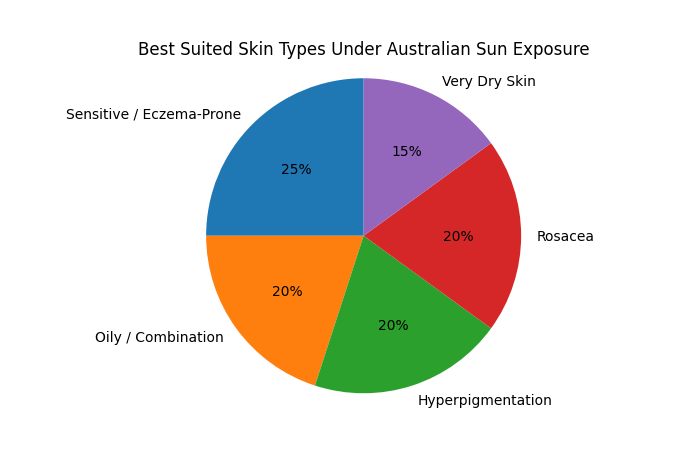
Best Suited Skin Types Under Australian Sun Exposure
Why Australian Sunscreen Standards Matter for Daily Wear
The Australian sun doesn’t just affect beach days—it impacts daily commuting, indoor window exposure, and screen-related visible light damage. Using a sunscreen designed around these conditions improves:
- Long-term skin health
- Pigmentation control
- Barrier recovery
- Consistency of daily SPF use
This is why Australian Gold Tinted Sunscreen performs so well not just as a sunscreen, but as an everyday protective base.
Australian Gold Tinted Sunscreen vs Typical Mineral Sunscreens
| Criteria | Australian Gold Tinted Sunscreen | Typical Mineral SPF |
| White cast | Low (tinted) | Often high |
| Finish | Matte, makeup-friendly | Greasy or chalky |
| Blue light protection | Yes (iron oxides) | Usually no |
| Wear under makeup | Excellent | Can pill or slide |
| Sensitive skin tolerance | High | Variable |
Best Skin Concerns Australian Gold Tinted Sunscreen Helps With
This sunscreen isn’t just about UV protection—it also supports cosmetic skin goals:
✔ Redness & flushing
✔ Uneven skin tone
✔ Hyperpigmentation & melasma support
✔ Oily skin shine control
✔ Post-procedure or compromised skin barrier
Because it dries down matte, it works particularly well for humid climates and summer wear, where many mineral sunscreens feel thick or oily.
Who Should Use Australian Gold Tinted Sunscreen?
Australian Gold Tinted Sunscreen is best suited for people who want:
- Mineral-only SPF 50 protection
- A tinted sunscreen that replaces BB cream
- Matte, oil-controlling finish
- Daily wear for sensitive or eczema-prone skin
- Added protection against blue light and pigmentation
It be seated at the sweet spot between dermatology-friendly protection and real-world cosmetic elegance, which is just why it remains to rank among top tinted mineral sunscreens.
Texture, Finish & Wearability
Australian Gold’s tinted mineral sunscreen is one of the thickest mineral formulas I’ve tried, yet it applies surprisingly well.
- Finish: Soft matte / powdery
- Feel: Non-greasy, non-sticky
- Wear: Excellent under makeup
- Pilling: Minimal when layered properly
It pairs seamlessly with most skincare products and performs exceptionally well as a makeup primer for oily or combination skin.
Application & Daily Use (Recovery & Wear)
While sunscreen doesn’t require “recovery” in the surgical sense, proper application and skin adjustment time are important.
How to Apply for Best Results
- Apply two finger-lengths for face and neck
- Blend evenly, working in thin layers
- Allow 5–10 minutes to set before makeup
- Reapply every 2 hours when outdoors
For sensitive skin, give skin a few days to adjust if you are new to mineral sunscreen. Mild dryness can occur initially, specially if you are not layering over moisturizer.
How to Choose the Right Australian Gold Tinted Sunscreen
When deciding if this sunscreen is right for you, consider the following:
Choose This If You:
Have sensitive or eczema-prone skin
- Prefer mineral-only UV filters
- Want a matte finish
- Need blue light protection
- Like light coverage for daily wear
Skip This If You:
- Strongly dislike matte finishes
- React to eucalyptus or botanical extracts
- Want medium-to-full foundation coverage
UVA & UVB Protection: Why It Matters
Why UVA and UVB Protection Actually Matters This Australian Gold Botanical Tinted Face Mineral Lotion is broad-spectrum SPF 50, so it blocks both UVA (the ones that age your skin and cause deeper damage) and UVB (the burn-you-like-crazy rays that also lead to skin cancer).
The thing is, UV gets you even when you’re not at the beach—sitting by a window at home or driving to work adds up over time. That’s why I slather this on every single day, no matter if it’s pouring rain or totally overcast.
Cruelty-Free Bonus
One thing I really appreciate: Australian Gold is cruelty-free, and honestly, that’s still kinda rare with good sunscreens.
It’s tough to find a mineral one that’s not tested on animals, feels nice on the skin, and actually looks good—this one checks all those boxes for me.
Pros and Cons of Australian Gold Tinted Sunscreen
| Pros | Cons |
| Mineral-only SPF 50 | Matte may feel dry |
| Blue light protection | Eucalyptus extract |
| Sensitive-skin friendly | Limited shade depth |
| Makeup-friendly finish | Not full coverage |
Final Thoughts
Hands down, this is still one of my favorite affordable mineral tinted sunscreens out there. The tint does run a bit warm or dark if you’re super fair like me, but if you blend it well (and sometimes I just skip foundation altogether), it evens out redness and tone in a really natural way. Side-by-side with no makeup, the difference is subtle, but you can totally tell.
If you’re after a gentle, mineral-based SPF that’s great for sensitive skin and works as a light tinted moisturizer/base, I’d say give this a spot in your morning routine. It’s been a solid go-to for me!
