
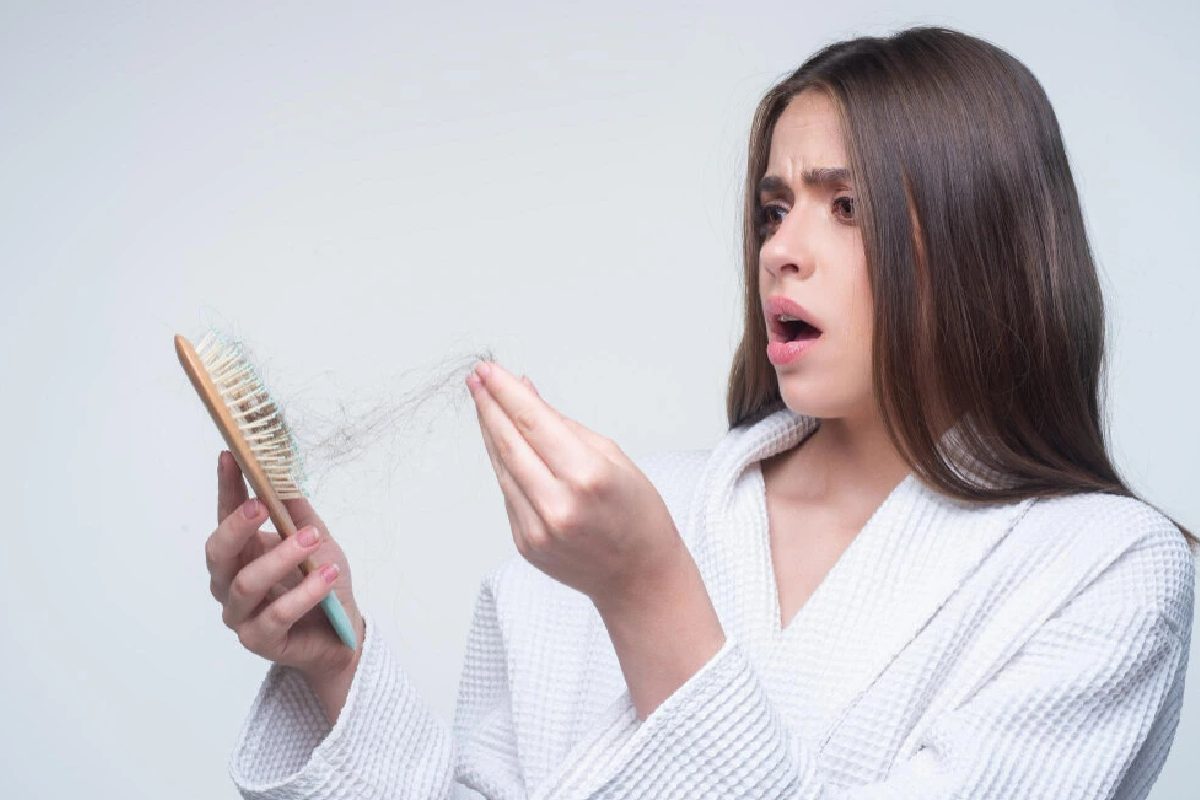
Are you also facing the problem of Winter Hair Loss ? With the arrival of winter, it is not surprising that you are shedding more hair in the shower than usual. Just as the skin’s health changes with the seasons, so makes the hair loss you are probable to familiarity throughout the winter.
Extreme hair loss in the winter is mostly happen by the dry air outside, which pulls away all moisture from your scalp and reasons it to become dehydrated. A dry scalp leads to dry hair, which leads to hair damage, breakage, and loss. Dandruff is produced by a dry scalp, making your head itchy and unpleasant. This, along with dry air, can result in considerable hair loss in the winter.
Table of Contents
Is Winter Hair Loss a Global Problem?
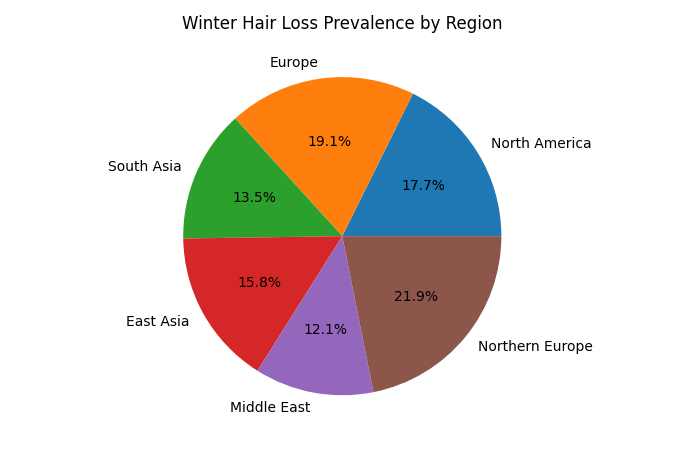
Winter hair loss is not limited to one country or climate. Research shows that people living in cold, dry, and temperate regions experience higher seasonal shedding due to reduced humidity, temperature drops, and indoor heating.
Winter Hair Loss Prevalence by Region
| Region | Increased Hair Fall in Winter (%) |
| North America | 38% |
| Europe | 41% |
| South Asia | 29% |
| East Asia | 34% |
| Middle East | 26% |
| Northern Europe | 47% |
Causes of Winter Hair Loss and How to Fix Them
| Winter Hair Loss Cause | How It Affects Hair | What Helps |
| Dry cold air | Removes moisture from scalp | Regular oil massages and deep conditioning |
| Indoor heating | Increases scalp dryness and dandruff | Use hydrating shampoo and conditioner |
| Hot showers | Weakens hair roots and causes breakage | Wash hair with lukewarm water |
| Poor winter diet | Lacks vitamins needed for hair growth | Eat protein-rich and vitamin-rich foods |
| Excess heat styling | Makes hair brittle and weak | Reduce heat tools and use heat protectant |
| Dehydration | Slows hair growth and increases shedding | Drink enough water daily |
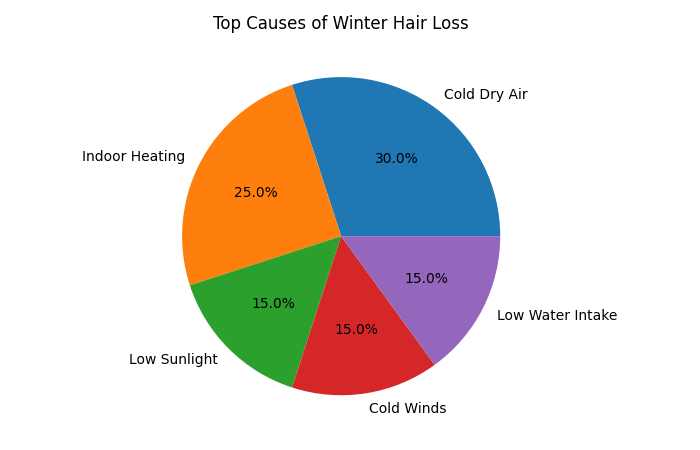
Main Environmental Triggers of Winter Hair Loss
Cold weather affects hair both externally and internally.
Environmental Factors & Hair Damage Level
| Factor | Damage Level | Impact |
| Cold dry air | High | Moisture loss |
| Indoor heating | High | Dandruff |
| Low sunlight | Medium | Vitamin D drop |
| Cold winds | Medium | Hair shaft damage |
| Reduced water intake | High | Hair thinning |
What is winter hair loss?
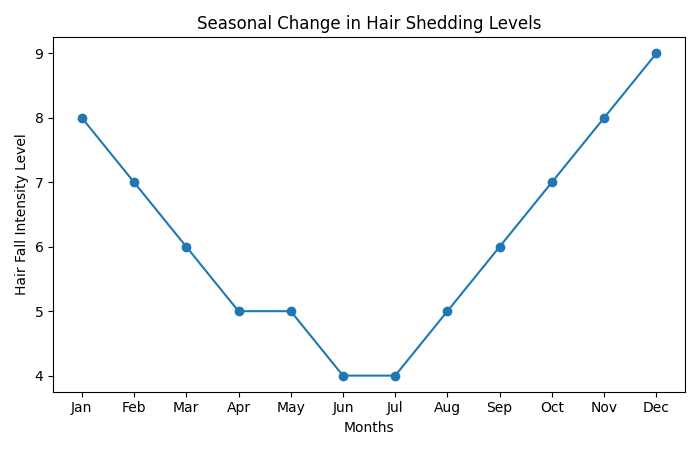
Winter hair loss is occurs due to the season change. The winter season includes the cold weather, dry air, indoor heating, and loss of moisture from the scalp. It is a reasons of scalp dryness, itching, and an increase in hair shedding. It is mostly prevalent in women because they often have longer hair, and the frequent styling can cause extreme breakage.
One of the most common questions is, ‘Does winter hair loss grow back?’
Yes, it is possible and most cases result in successful hair growth after winter hair loss and it occurs most often after moisture levels increase and after good hair care is practiced. The most critical factor in hair care is to establish a good routine and follow it consistently.
Seasonal Hair Growth Cycle Explained (Science-Based)
Hair growth follows a natural cycle, and winter disrupts this rhythm due to environmental stress.
Hair Growth Cycle & Winter Impact
| Hair Phase | Normal Duration | Winter Effect |
| Anagen (Growth) | 2–6 years | Slows down |
| Catagen (Transition) | 2–3 weeks | No change |
| Telogen (Shedding) | 2–3 months | Increased |
| Exogen (Hair fall) | Ongoing | Noticeable |
How Much Hair Fall Is Normal in Winter?
Many people panic without knowing what’s normal.
Normal vs Excessive Winter Hair Shedding
| Hair Fall Per Day | Meaning |
| 50–70 strands | Normal |
| 70–100 strands | Seasonal |
| 100–150 strands | Moderate concern |
| 150+ strands | Needs attention |
How to Stop Hair Shedding During Winter
Effective Winter Hair Loss Remedies
The best effective winter hair loss remedies are, in fact, to help reduce shedding and encourage winter hair loss to regrow. The hair loss remedies are also good to improve circulation and nourishment to the scalp, and winter hair loss will be reduced by the use of scalp massages.
Due to the cold weather, olive oil and almond oil are best when they are warm. In order to improve hair health and for health and high in nutrients to increase hydration.
To avoid dry skin, use skin care products that are meant for your skin type, winter hair loss to regrow, it is best to drink and eat foods that are good and when chosen for hair, moisturising shampoo and conditioner should be used. To improve the hair and to avoid breakage, caused by winter dryness.
Avoid excessive heat styling and hot showers, as they worsen scalp dehydration and increase shedding.
Effectiveness of Common Winter Hair Loss Remedies
Not all remedies work equally.
Winter Hair Loss Remedies & Success Rate
| Remedy | Effectiveness (%) |
| Scalp oil massage | 78% |
| Moisturizing shampoo | 65% |
| Hair masks | 72% |
| Diet improvement | 81% |
| Reducing heat styling | 76% |
| Supplements | 69% |
Best Winter Hair Care Routine to Reduce Hair Fall
| Hair Care Step | What to Do | How Often |
| Oiling | Massage warm almond or olive oil | 2–3 times a week |
| Shampoo | Use a mild, moisturizing shampoo | 2–3 times a week |
| Conditioning | Apply conditioner after every wash | Every wash |
| Hair Mask | Use deep conditioning or homemade mask | Once or twice a week |
| Scalp Massage | Improve blood circulation | Regularly |
| Heat Styling | Avoid or limit use | As little as possible |
Massages With Oils
In the winter, nothing beats a thorough scalp massage for your hair, which improves blood circulation to the scalp, strengthening the hair follicles from the inside out.
Warm 2-3 teaspoons of olive or almond oil and massage it into the scalp slowly to go deep into the hair roots. You may also apply the oil to the length of your hair for deep conditioning.The terrific method to feed your hair and scalp is oil massages, with the vitamins they need to withstand the winter winds, in addition to being highly relaxing. Massaging your hair with oil regularly is crucial for maintaining its strength. Oil massages improving blood circulation and providing nutrients to your hair cuticles. Vitamin B12 encourages healthy hair development, so keep an eye on your levels.
To get rid of dandruff, combine a little oil with a bit of camphor and apply it to scalp. Camphor is an antimicrobial that aids in decreasing scalp dryness and itching.
Determine The Source Of Hair Loss
Everyday activities can also be the reason for your winter-related hair loss, from stress to dietary lacks. Consult a hair specialist to maintain your strands shiny and healthy. The doctor may suggest specific health tests to help you better understand your health statistics and blood parameters. A whole blood profile can help the doctor in ruling out systemic disorders that could be the reason of hair and scalp’s state.
Eat Well And Drink Plenty Of Water

One of the most common reason of hair loss is poor diets deficient in vital vitamins, minerals, and other hair nutrients. Vitamin E stimulates blood circulation to keep hair follicles active, Vitamin A increases healthy sebum production in the scalp, and vitamin B aids in hair health maintenance. A poor diet and nutritional deficits fetter your body’s capacity to develop new hair follicles. Always add in your diet green foods and protein in the colder months. Hair growth and hair loss are assisted by eating seafood, lean meats, curd, soy, and other proteins
Nutrient Deficiency & Winter Hair Loss Connection
Winter diets often lack essential hair nutrients.
Nutrient Deficiency vs Hair Problem
| Deficiency | Hair Issue |
| Vitamin D | Increased shedding |
| Iron | Weak roots |
| Protein | Thin hair |
| Zinc | Slow growth |
| Omega-3 | Dry scalp |
Nutrients That Help Prevent Winter Hair Loss
| Nutrient | Benefit for Hair | Food Sources |
| Vitamin A | Supports healthy scalp oil | Carrots, spinach |
| Vitamin E | Improves blood circulation | Nuts, seeds |
| Vitamin B12 | Promotes hair growth | Eggs, dairy |
| Protein | Strengthens hair strands | Fish, soy, curd |
| Omega-3 | Reduces scalp dryness | Seafood, walnuts |
Use Hair Product That Is Appropriate For Your Hair Type
Hair oils, shampoos, conditioners, and hair masks are among the many hair products you use. Preventing hair loss begins with select the best hair product for your specific needs. For model, if you have dry hair, use products that provide deep conditioning.
Conditioning is a step in the hair care process that is often overlooked, perhaps even more so during the winter conditioning is the most important step. Conditioning your hair gives it that healthy, shiny appearance, and conditioning after every wash makes the cuticle do its job: protect. Look for a conditioner that contains cetyl alcohol next time you go shopping. It is a marvelous hydrating ingredient. Another great way to keep your hair moisturized, and avoid dull and lifeless hair is a deep conditioning hair mask. During the winter, you can use Natural homemade hair packs for winter hair care once or even twice a week to help get you that beautiful, lustrous hair.
A deep conditioning hair mask, on the other hand, is an excellent technique to keep your hair moisturized and prevent it from getting dull and lifeless. Natural homemade hair packs for winter hair care may use once or twice a week to offer you lustrous hair.
To begin with hair care at home, combine mashed banana and an egg in a mixing bowl and thoroughly mix to produce a paste. Blend in a blender with a few drops of lemon and a Vitamin E pill until smooth. Apply this fix to your hair from the roots to the tips and leave it on for 30 actions before rinsing it off with a moderate shampoo.
You may also use a natural aloe vera gel and combine it with a few drops of lemon liquid and a spoonful of olive or coconut oil. Apply the mixture evenly from the roots to the tips of your hair. Allow 30 minutes to pass. Rinse your hair with a light shampoo and cold (ideally) or lukewarm water.
Showering In A Hot Tub Is Not Recommended
Avoid taking long hot showers or using hot water to wash your hair. Hair will damage too much heat. Instead, while have a head bath, use lukewarm water.
Limit your usage of curling irons and puff dryers as well. The less you use these heat styling tackle, the better it will be for your hair. Use a hair guard spray before experimenting if you style your hair frequently.
Lifestyle Habits That Increase Winter Hair Loss
Daily habits silently worsen hair fall.
Lifestyle Factors & Hair Loss Risk
| Habit | Risk Level |
| Hot water hair wash | High |
| Daily heat styling | High |
| Skipping oiling | Medium |
| Poor sleep | Medium |
| Stress | High |
Winter Hair Loss Timeline (What to Expect)
Understanding timelines reduces anxiety.
Winter Hair Loss Recovery Timeline
| Phase | Duration |
| Increased shedding | 4–8 weeks |
| Stabilization | 2–4 weeks |
| New growth | 6–10 weeks |
| Full recovery | 3–4 months |
How to Prevent Winter Hair Loss Naturally
If you are wondering about how to prevent winter hair loss, the answer lies in maintaining scalp moisture, reducing heat exposure, eating well, and massaging the scalp regularly. A small lifestyle changes can make a big difference.
Taking care of hair loss with winter hair loss latest care tips is very effective—like switching to gentler products and protecting hair from cold winds—can reduce seasonal shedding and develop overall hair health.
With the correct routine, winter hair loss is temporary, manageable, and changeable with regular care.
