

Thinning hair can have a lasting impact on your self-esteem. It can also be an indicator of poor nutrition. Luckily, you can take measures to boost growth and thicken hair density. There are plenty of solutions, like foundation serum, that you can use altogether to fight this phenomenon.
Table of Contents
Common Causes of Thinning Hair
You may already know that hair loss can be a sign of aging, due to your genes. This is one of the most common causes of thinning hair. However, other factors can affect you at any time in your life. For instance, pulling your hair back tightly can encourage hair loss, especially at your hairline.
If your thyroid isn’t working properly, your body may not be producing enough collagen for hair growth. Stress can manifest into a syndrome called Telogen Effluvium, which causes temporary hair loss. You may also experience thinning hair if your diet doesn’t include enough vitamins and nutrients.
1. Increase Production of Keratin With Supplements
Keratin is one of the building blocks of your skin, nails and hair. It is a protective protein produced by your body naturally. You can boost keratin production with products and supplements containing biotin or other B vitamins and niacinamide for skin care.
2. Change Your Diet
Many ingredients found in supplements also exist in food. You can increase your intake of these vital nutrients by changing your diet. Carrots and sweet potatoes are reliable sources of vitamin A, which aids blood circulation and hair regeneration. Iron, found in quinoa and legumes, is most relevant to women’s hair health. Citrus fruits full of Vitamin C will help to absorb the iron and build collagen.
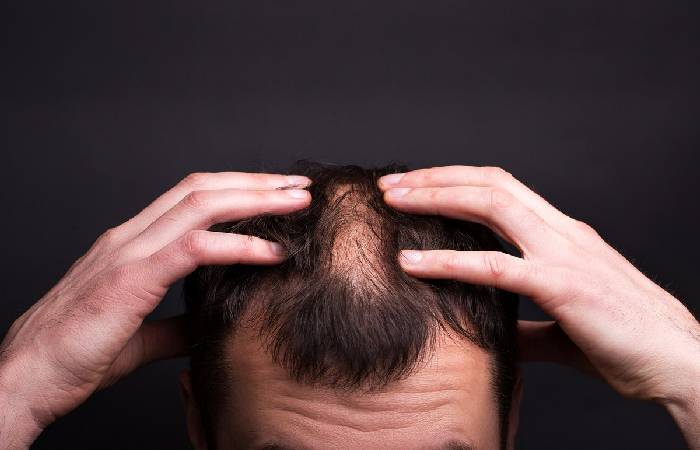
3. Focus on Scalp Health
The scalp is often forgotten when planning your skincare and haircare. It is helpful to give it some attention to increase blood flow, remove build-up and exfoliate. You can use special scalp brushes and essential oils, such as rosemary and cedarwood, to achieve these ends. As a bonus, scalp treatments usually feel wonderful.
4. Avoid Damaging Hair Habits
It’s tempting to go all out with your hair all the time, especially if you’ve found a style that works for you. Over-styling and over-processing are common culprits of damaged or thinning hair. This means you should avoid using excessive heat and put down the straightener every once in a while. You may want to rethink your impulsive decision to go bleach blonde, as well.
5. Try Some Home Remedies
Eggs are full of protein and are easy to get your hands on. You can beat and apply them directly to your scalp, or combine them with other ingredients, such as olive oil. Olive oil contains omega-3 fatty acids that are essential for hair health.
Don’t give up hope if you notice your hair is not as thick and luxurious as it used to be. There is plenty you can do to rejuvenate your locks and get back on track. Invest in quality products and lifestyle changes to keep your head of hair looking voluminous and full of life.
6. Consider Medical Conditions & Hormonal Imbalances
While lifestyle factors often contribute to thinning hair, underlying medical issues can also play a major role. Hormonal imbalances—especially those involving estrogen, testosterone, or DHT—can influence the hair growth cycle. Women may notice thinning during pregnancy, postpartum, or menopause because hormonal fluctuations affect the follicles’ ability to stay in the growth phase.
Similarly, conditions like PCOS, autoimmune disorders, anemia, and low vitamin D levels can all contribute to hair thinning. If you suspect a deeper issue, scheduling a consultation with a dermatologist or trichologist can help you receive targeted treatments or supplements tailored to your needs.
7. Choose the Right Hair Products
What you apply to your hair daily makes a big difference. Harsh shampoos, products with excessive sulfates, and alcohol-heavy styling sprays can strip your hair of natural oils and weaken strands over time. Instead, opt for gentle, sulfate-free formulas enriched with ingredients like keratin, peptides, niacinamide, and hyaluronic acid to promote stronger, more resilient hair.
If your hair is thinning, lightweight volumizing products may also help your strands look fuller without weighing them down. Leave-in conditioners, strengthening serums, and nourishing masks should be used regularly to improve hair texture and elasticity.
8. Maintain a Healthy Hair-Washing Routine
How often you wash your hair can impact its health. Washing too frequently removes essential oils that protect the scalp and keep hair moisturized, while washing too little can lead to product buildup and clogged follicles. Most people find success washing their hair two to three times a week, depending on hair type and lifestyle.
Additionally, always use lukewarm water. Hot water can open hair cuticles too widely, making strands weaker and more prone to breakage. End your hair wash with a cool rinse to seal the cuticle and give your hair a smoother, shinier finish.
9. Reduce Stress & Prioritize Self-Care
Stress doesn’t just affect your mind—it affects your hair too. High cortisol levels push more follicles into the resting phase, leading to visible shedding months later. Incorporating daily mindfulness or relaxation techniques, such as meditation, yoga, deep breathing, or even short walks, can significantly help reduce stress-related hair loss.
Adequate sleep also plays a huge role in hair recovery. Aim for at least seven to eight hours of sleep each night to support your body’s natural regeneration processes.
10. Explore Professional Treatments
If home remedies and lifestyle adjustments aren’t giving you the results you want, modern hair treatments are more advanced than ever. Professional options like PRP (Platelet-Rich Plasma) therapy, microneedling, low-level laser therapy, and peptide treatments can stimulate dormant follicles and encourage new hair growth.
These treatments are safe when performed by experts and can be combined with at-home care for even better results. Your dermatologist can help determine which treatment suits your condition best.
