
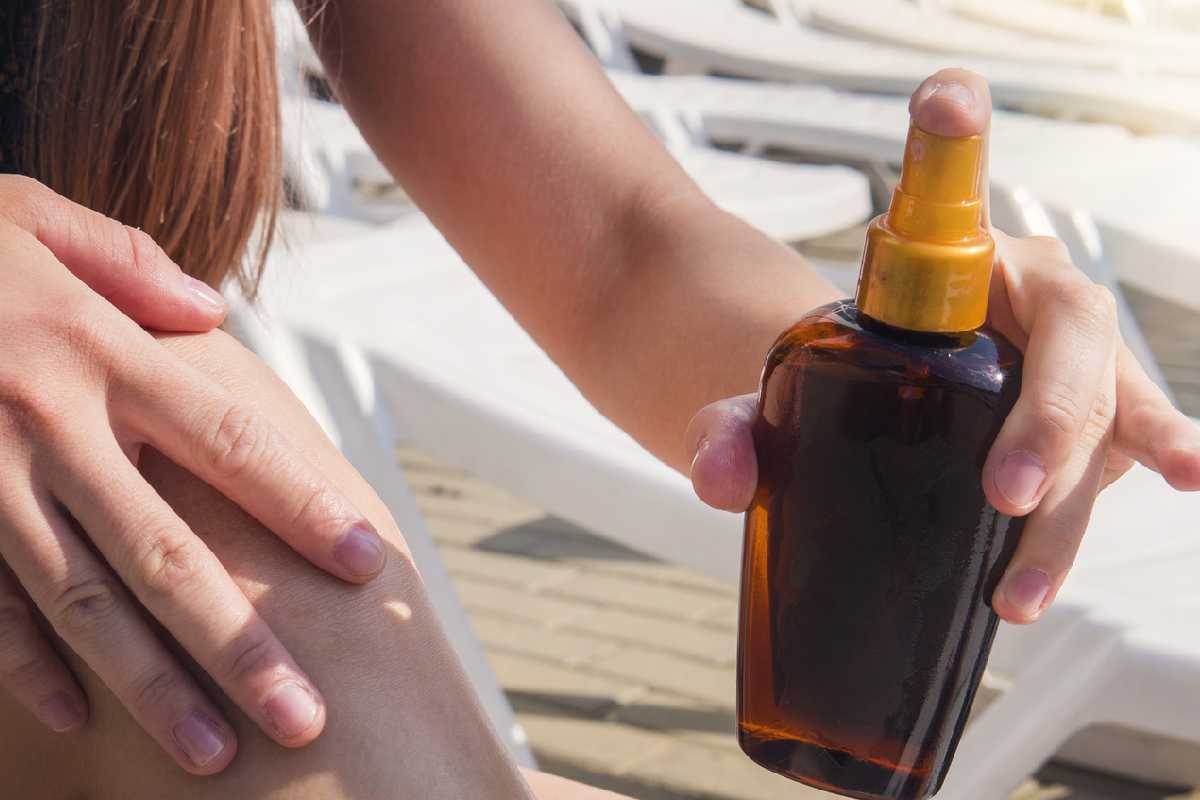
Tanning oil is a cosmetic product designed to enhance and speed up the skin’s tanning process when exposed to sunlight or UV rays.
In simple terms, it helps your skin tan faster and appear darker by attracting and intensifying UV exposure.
Table of Contents
What is tanning oil and how does it work?
Tanning oil is a type of skin product that provodes moisture to the skin and helps absorb light that will help the skin attract a tan. Many people wonder if Its work. it dries the skin less, helps the skin look smooth and even, and helps produce melanin faster. Because of this, tanning oil does work, but to an extent.
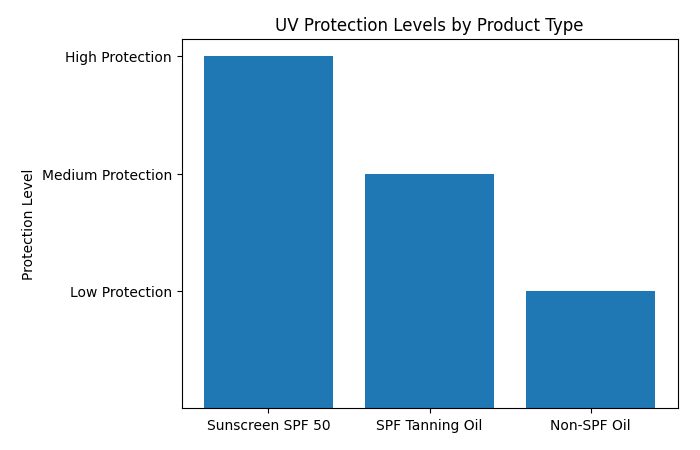
One important thing to remember: It does not protect your skin unless it has SPF added to it.
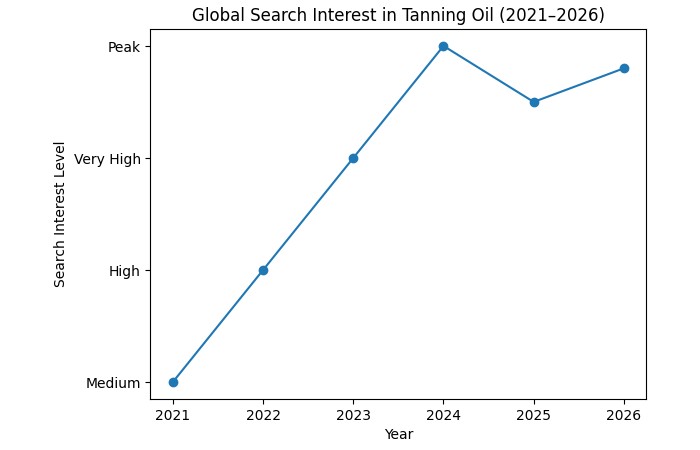
Yearly Search Trend for Tanning Oil
Composition of Tanning Oil (What It’s Made Of)
Tanning oils are usually a blend of natural oils, emollients, and light-enhancing ingredients. These ingredients do not create a tan on their own but help the skin react faster to sunlight.
Common Ingredients Found in Tanning Oils
| Ingredient | Purpose | Skin Benefit |
| Coconut Oil | As Moisturizer | Prevents dryness, adds shine |
| Mineral Oil | It Locks moisture | Creates smooth surface for even tan |
| Carrot Seed Oil | For Natural color booster | Enhances golden tone |
| Vitamin E | AS Antioxidant | Reduces skin damage |
| Aloe Vera | AS Soothing agent | Calms redness and irritation |
| SPF Filters (optional) | It gives UV protection | Reduces burn risk |
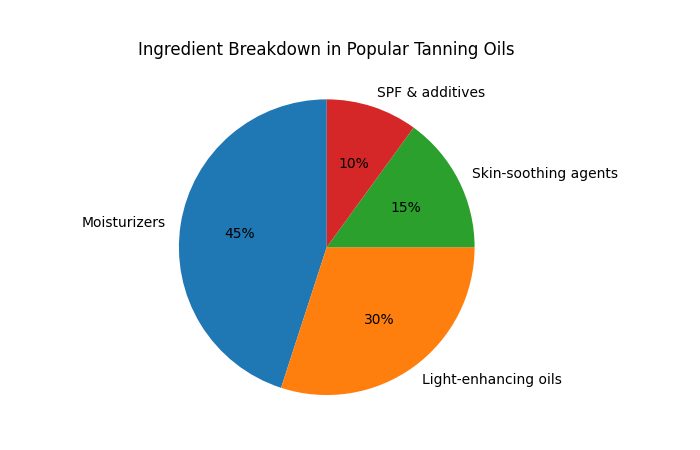
Ingredient Breakdown in Popular Tanning Oils
How Does Tanning Oil Work on the Skin?
When you skin exposes to sunlight it starts melanin production. Additional melanin means darker skin tone.
It help by:
- Creating a smooth layer on the skin
- Helping sunlight spread more evenly
- Increasing UV exposure in the applied areas
This is why tanning happens faster. But more UV also means more risk if there’s no protection. That’s why choosing the right it is important.
Types of Tanning Oils Available Today
Not all tanning oils are the same. Choosing the right type depends on skin tone, experience, and sun exposure time.
Main Types of Tanning Oils
| Type | Best For | Risk Level |
| Non-SPF Tanning Oil | Experienced tanners | High |
| SPF Tanning Oil (15–30) | Beginners & sensitive skin | Medium |
| Natural / Organic Oils | Dry & allergy-prone skin | Medium |
| Bronzing Tanning Oil | Instant glow without sun | Low |
Benefits of Tanning Oil (When Used Correctly)
It has benefits—but only if used moderately and responsibly.
Key Benefits Explained Simply
- Helps achieve even tan
- Keeps skin moisturized
- increases natural glow
- Prevents flaky or patchy skin
- Makes tanning faster than dry skin
| Time in Sun | Without Oil | With Tanning Oil |
| 30 mins | Low | Medium |
| 1 hour | Very Low | High |
| 2 hours | Dry | Moderate |
Should You Use Tanning Oil With SPF?
Yes. Specifically if you are using for first time to tanning or have sensitive skin.
SPF only slows down UV damage, not tanning itself. Many individuals think SPF stops tanning, but that’s not true.
Tanning Oil vs Sunscreen (What’s the Difference?)
Many people confuse tanning oil with sunscreen. They are not the same.
Tanning Oil vs Sunscreen
| Feature | Tanning Oil | Sunscreen |
| Main Purpose | Enhance tan | Block UV rays |
| SPF Protection | Optional | Always |
| Tanning Speed | Faster | Slower |
| Skin Safety | Medium | High |
| Best Use | Short sun exposure | Long outdoor time |
UV Protection Levels
Best SPF Range for Tanning Oils
- SPF 15–30 → Good balance of tanning and protection
- Below SPF 10 → Higher risk of burning
- SPF 30+ → Safer, but tanning happens slower
Using it with SPF helps to:
- Prevent sunburn
- Reduce redness and peeling
- Lower long-term skin damage risk
How to Apply Tanning Oil the Right Way
Use itl properly it makes a great difference.
Simple Application Steps
- Take a small amount into your palms
- Rub hands together to warm the oil
- Apply evenly on the skin
- Massage gently until it absorbs
- Don’t overuse—more oil doesn’t mean better tan
Always use less product and apply gently for face and neck.
How Often Should You Reapply Oil?
This depends on your skin and what you’re doing.
- Every 2 hours → Swimming or sweating
- Every 3–5 hours → Light sun exposure
- Less often → Fair or sensitive skin
Using too much too often can lead to clogged pores, breakouts, or irritation.
What Dermatologists Say About Tanning Oils
Specialist Opinions
| Specialist | Country | Opinion |
| Dr. Whitney Bowe | USA | “SPF tanning oils are safer than traditional oils.” |
| Dr. Anjali Mahto | UK | “Hydrated skin tans evenly but UV risk remains.” |
| Dr. Rashmi Shetty | India | “Sun exposure should always be time-limited.” |
Popular Tanning Oil Brands — Price & Online Availability
| Brand | USA | UK | India | Available On |
| Hawaiian Tropic Dark Tanning Oil | $12–$16 | £11–£15 | ₹2,600–₹5,000 | Walmart, Amazon, Ubuy |
| Hawaiian Tropic SPF 15 Oil | $14–$18 | £12–£20 | ₹1,600+ | Walmart, OnBuy, Ubuy |
| Australian Gold Dark Oil | $11–$18 | £25–£30 | ₹2,500 | Amazon, OnBuy |
| Banana Boat Tanning Oil | $8–$13 | £12–£20 | ₹2,300 | Walmart, Ubuy |
| Natural / Imported Oils | — | — | ₹4,000+ | ShopTheWorld |
Where to Buy Tanning Oils Online
USA
- Walmart
- Amazon
- Target
UK
- OnBuy
- Amazon UK
India
- Ubuy
- ShopTheWorld
- Amazon India (limited brands)
Is Tanning Oil Bad for You?
This is a very common question.
It itself is not bad, but using it without care can be harmful.
Risks of Wrong Use
- Sunburn
- Early wrinkles
- Dark spots
- Skin irritation
Limiting sun time and using SPF reduces these risks a lot.
Natural and DIY Tanning Oil Options
Some people prefer natural tanning oil or DIY tanning oil using kitchen oils like:
- Carrot seed oil
- Coconut oil
- Olive oil
Safer Alternatives to Traditional Tanning Oil
| Option | Speed | Safety |
| Tanning oil | Fast | Medium |
| Tanning lotion | Medium | Higher |
| Self-tanner | Instant | High |
| Bronzing oil | Instant glow | High |
Final Thoughts
It can help in getting smooth, golden look if you use it the right way. The important is moderation, choosing the right SPF, and knowing your skin type. Whether it’s a natural oil, Hawaiian Tropic tanning oil, or a DIY mix—clever use matters more than the product itself.
A good tan should make your skin look healthy, not damaged.
