
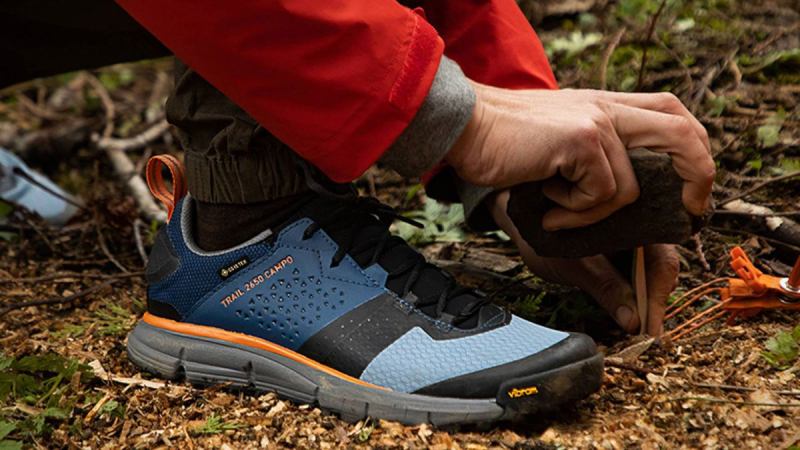
All terrain shoes are specifically designed for use across a range of environments and surfaces. These are useful for those who hike regularly or run or walk across loose or uneven ground.
Many of the biggest brands in hiking and outdoor supplies will offer all-terrain shoes for both men and women. They differ from some types of trainer shoes as they provide more versatility across multiple surfaces, while conventional trainers offer a specific use option for their wearer.
For example, a marathon runner would choose a shoe specific to marathon running. Here, we’re looking at why all-terrain shoes are best for men and women.
Table of Contents
Dynamic Uses
- All-terrain shoes are incredibly dynamic and can be used for all types of sports and activities outdoors.
- Whether you’re a cycling fan who likes to bike up to the nearest mountain range and then hike the rest of the way.
- You prefer a slow wander across the beach followed by a bit of canyoning, no matter your loves and passions, the dynamic features of all-terrain shoes are the perfect fit.
Stability
- One of the biggest benefits of all-terrain shoes is their stability. They are designed to give strong support and steady comfort on any surface. This helps keep your feet and ankles secure as you walk.
- Most all-terrain trainers are built for tough conditions and harder trails. Because of this, they stay stable during many types of activities.
- This stability becomes especially important on uneven ground. Without the right footwear, uneven surfaces can lead to slips, injuries, or falls.
- If you are heading into trails you’ve never explored, planning ahead can feel difficult.
- In those moments, the strong stability of all-terrain shoes becomes a valuable safety feature to have in your backpack.
Comfort
- While you won’t be after as much cushioning in your all-terrain shoes as what you would a running shoe for a marathon on the tarmac. It is important to keep your feet, ankles and knees comfortable with some cushioning.
- As all-terrain shoes are made with all surfaces in mind, there are a number of highly cushioned options on the market. Some with a more in-between comfort level which can help to provide more support and comfort for your trips.
- The rock plate featured in all-terrain shoes can also provide protection against jagged rocks. Rogue branches giving the underside of your feet even more comfort keeping you in control.
- As you can see there are a number of benefits to choosing an all-terrain shoe particularly if you’re going to be travelling across uneven surfaces.
- It is important to choose the right shoe for your needs to keep your body and joints as safe as possible. To reduce the risk of injuries such as sprains or impact issues.
What to Realistically Expect When You First Wear Them
Unlike cushioned shoes, Terrain Shoes require an adjustment period. Here’s what most new users experience:
Immediate Sensation: You will feel the ground more. Textures, small stones, and surfaces will be perceptible. This is the intended “ground feedback.”
Muscle Engagement: Your feet, ankles, and calf muscles will likely feel more worked after initial walks, as they are now doing stabilizing work previously handled by shoe support.
Best Use Cases: These shoes excel for light walking, everyday casual wear, and strength-building foot exercises. They are generally not designed as primary footwear for long-distance running on pavement. Heavy hiking on rocky trails, or high-impact sports unless you are a highly experienced minimalist shoe user.
Expanded Consideration – Who Should Avoid Them?
While beneficial for some, Terrain minimalist shoes may be unsuitable or require direct medical supervision for individuals with:
Significant Pre-existing Conditions: Such as plantar fasciitis in an acute phase, Achilles tendonitis, or severe osteoarthritis in the feet or ankles. Switching footwear during active pain can aggravate these issues.
Neurological or Sensory Impairments: Such as diabetic neuropathy, where reduced sensation in the feet makes the protective feedback of traditional shoes critical.
Specific Biomechanical Needs: Individuals who medically require custom orthotics or rigid stability features in their footwear.
Frequently Asked Questions (FAQ)
Q: Can I wear Terrain Shoes all day, every day right away?
A: No. This is the most common mistake. Start with 1-2 hours per day and increase slowly over 4-8 weeks to allow your musculoskeletal system to adapt and prevent injury.
Q: Are these good for standing all day at work?
A: It depends on your surface. On hard concrete floors, the lack of cushioning may lead to discomfort. They are better suited for varied surfaces or if you can move frequently. Consider them only after a successful transition period.
Q: How do I clean Terrain Shoes?
A: Most models with mesh uppers can be gently hand-washed with mild soap and cold water. Air dry them thoroughly away from direct heat. Avoid machine washing, as it can damage the glue and structure.